What Should You Know About Anesthesiology and Reanimation?
Anesthesiology and reanimation are vital branches of modern medicine that ensure patients receive safe, effective care during surgical procedures and in critical conditions. Whether you’re preparing for surgery, supporting a loved one in intensive care, or simply trying to understand what happens behind the scenes in the operating room, this guide will help you grasp the essentials of anesthesiology and reanimation.
What Is Anesthesiology?
Anesthesiology is the medical specialty focused on the administration of anesthesia and the management of pain and vital functions during and after surgical interventions. Anesthesiologists are highly trained physicians responsible for keeping patients comfortable, safe, and stable throughout surgical procedures. They also provide pain relief in non-surgical contexts, such as during childbirth or in patients with chronic pain conditions.
What Is Anesthesia and What Are Its Types?
Anesthesia is a medically induced state that allows patients to undergo procedures without feeling pain or being aware of what’s happening. There are several types of anesthesia, each used depending on the patient’s health condition and the nature of the procedure:
- General Anesthesia: Induces unconsciousness and is typically used for major surgeries.
- Regional Anesthesia: Blocks pain in a [specific part of the body] larger area of the body (e.g.limb surgeries, epidurals during childbirth).
- Local Anesthesia: Numbs a small, specific area (e.g., dental procedures).
- Sedation: Often combined with local or regional anesthesia to relax the patient without full unconsciousness.
Anesthesiologists determine which type is most appropriate based on medical history, allergies, and the complexity of the procedure.
How [Anesthesia is performed?] Are Anesthesia and Reanimation Applied?
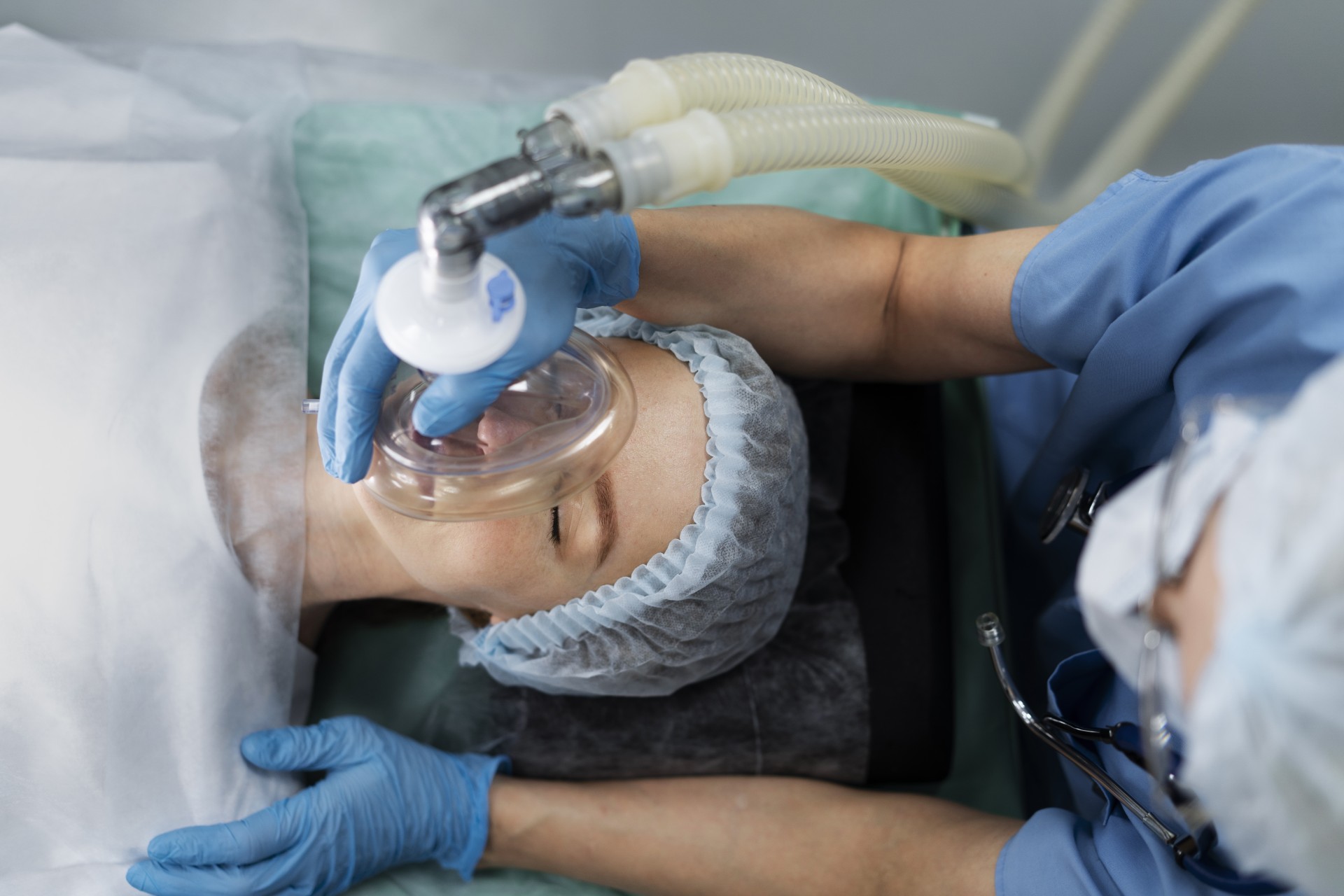
Anesthesia is typically administered through injection or inhalation, using sophisticated equipment that monitors vital signs in real time. The process involves:
- Pre-anesthesia evaluation: Reviewing patient history, medications, and physical status.
- Anesthesia induction: Administering drugs to initiate anesthesia.
- Maintenance: Ensuring consistent depth of anesthesia during the procedure.
- Recovery: Helping the patient wake up safely and managing postoperative symptoms.
In cases where a patient experiences severe complications such as cardiac arrest or respiratory failure, reanimation techniques are employed to restore vital functions.
What Are the Risks and Side Effects of Anesthesia?
While modern anesthesia is considered very safe, especially when performed by a skilled team, there are still some risks and side effects, which may include:
- Nausea and vomiting
- Sore throat (from breathing tubes)
- Drowsiness or confusion
- Shivering or chills
- Allergic reactions
- Respiratory complications
Rare but serious risks include malignant hyperthermia, nerve damage, or cardiovascular events, particularly in high-risk patients.
What Measures Are Taken to Minimize Anesthesia Risks?
Patient safety is a top priority in anesthesiology. Anesthesiologists take numerous precautions, including:
- Conducting preoperative assessments to identify risk factors.
- Customizing the anesthesia plan based on individual needs.
- Using advanced monitoring systems (heart rate, oxygen saturation, blood pressure, etc.).
- Maintaining emergency medications and equipment nearby.
- Coordinating with the surgical and nursing team for real-time adjustments.
Thanks to these protocols, the incidence of serious anesthesia-related complications is extremely low.
What Is Reanimation?
Reanimation, also known as resuscitation, refers to medical interventions used to restore vital signs in life-threatening situations. It includes techniques such as:
- Cardiopulmonary resuscitation (CPR)
- Advanced cardiac life support (ACLS)
- Mechanical ventilation
- Defibrillation
- Drug administration to support heart and lung function
Reanimation is a critical part of intensive care units (ICUs) and emergency response teams, often led by anesthesiologists and intensivists.
Frequently Asked Questions About Anesthesiology and Reanimation
- Is anesthesia safe for elderly patients?
Yes, but anesthesiologists take extra precautions with seniors, adjusting doses and monitoring closely due to age-related risks.
- How long does it take to recover from anesthesia?
Most patients regain consciousness within minutes to hours. Full recovery depends on the procedure, type of anesthesia, and overall health.
- Can I eat before anesthesia?
Typically, no. Patients are instructed [not to eat solid foods for 6-8 hours and not to drink clear fluids for 2 hours] to fast for at least 6–8 hours before surgery to reduce the risk of aspiration.
- Who performs reanimation?
Reanimation is carried out by trained professionals, often anesthesiologists, emergency physicians, or ICU teams.
- Will I feel anything during general anesthesia?
No. Under general anesthesia, you are completely unconscious and unaware of the procedure.
- Why is it important to understand anesthesiology and reanimation before a procedure?
Understanding what anesthesiology and reanimation involve helps reduce patient anxiety, improves communication with healthcare providers, and enables better preparation before surgery. Being informed empowers patients and their families to actively participate in the care process and trust the medical team overseeing their safety and recovery.