What Should You Know About Cardiac and Vascular Surgery? A Comprehensive Guide
Cardiac and vascular surgery is a critical medical specialty that focuses on diagnosing and treating diseases of the heart and blood vessels. If you or a loved one face heart or vascular health issues, understanding what cardiac and vascular surgery entails can help you make informed decisions about diagnosis, treatment, and recovery.
In this article, we answer the central question: What should you know about cardiac and vascular surgery, from symptoms and diagnosis to treatment options and recovery?
What Is Cardiac and Vascular Surgery?
Cardiac and vascular surgery (often abbreviated as CVS or KVC in Turkish) involves surgical procedures performed on the heart (cardiac) and blood vessels (vascular). These surgeries address a variety of conditions, including coronary artery disease, heart valve problems, congenital heart defects, aneurysms, peripheral artery disease, and more.
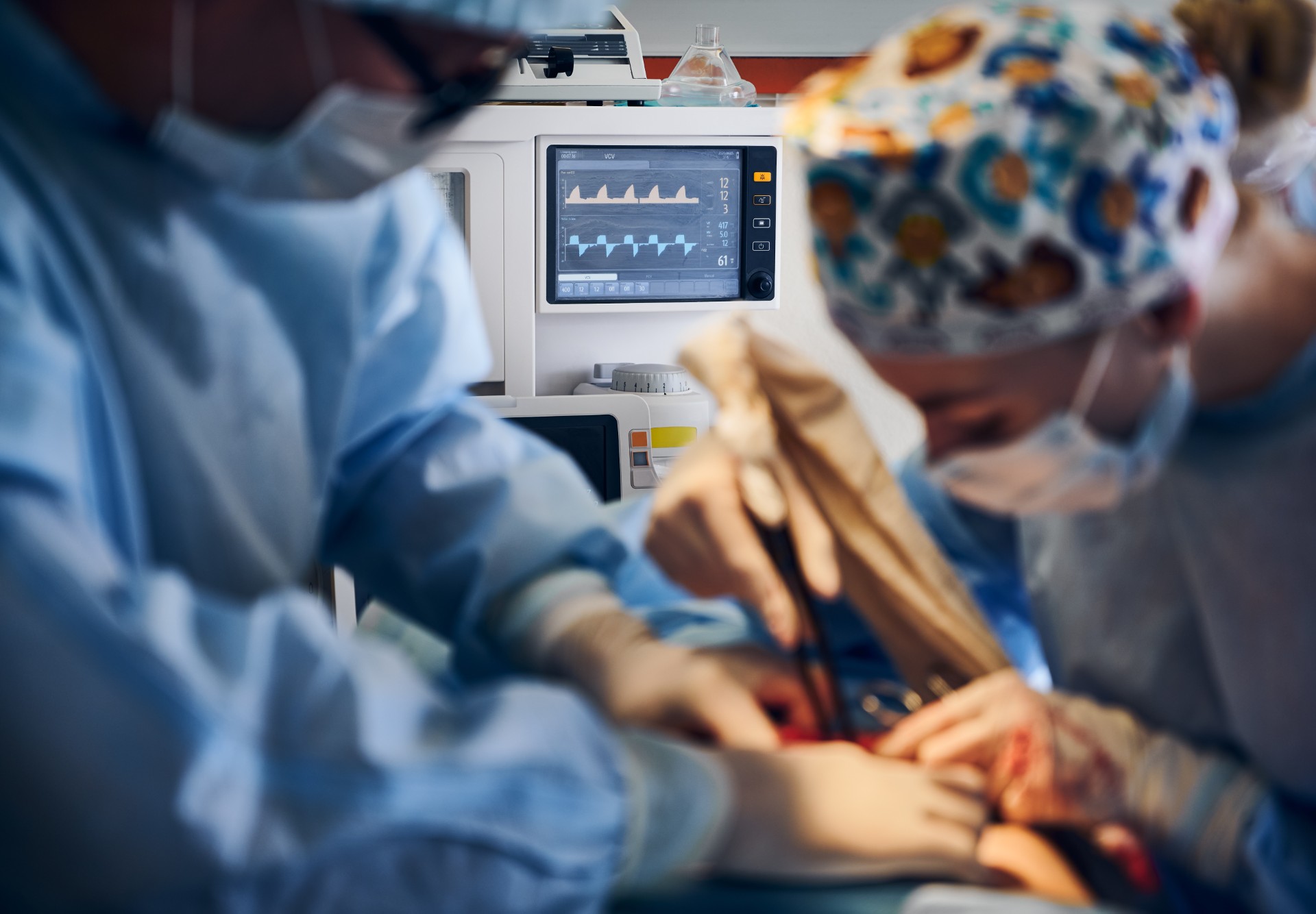
Unlike general surgery, cardiac and vascular surgery requires specialized training and skills because of the heart’s complexity and the critical nature of blood circulation throughout the body. Surgeons in this field use both traditional open surgery and advanced minimally invasive techniques to restore heart and vascular health.
What Are the Common Symptoms of Heart and Vascular Diseases?
Early detection of cardiovascular problems significantly improves treatment success. Recognizing symptoms can prompt timely medical evaluation. Common signs include:
- Chest pain or discomfort (angina), often triggered by physical activity or stress.
- Shortness of breath, especially during exertion or while lying down.
- Palpitations or irregular heartbeats.
- Swelling in the legs, ankles, or abdomen due to poor circulation.
- Fatigue or weakness, especially with physical exertion.
- Dizziness or fainting spells.
- Coldness or numbness in the extremities, which may indicate vascular blockage.
- Sudden severe headache or vision problems, possibly related to vascular issues like aneurysms.
If you experience any of these symptoms, consulting a cardiac and vascular specialist is essential for accurate diagnosis and treatment.
How Are Heart and Vascular Conditions Diagnosed?
Diagnosis in cardiac and vascular surgery combines patient history, physical examination, and specialized tests to identify the exact problem and its severity.
Key diagnostic methods include:
- Electrocardiogram (ECG or EKG): Measures the electrical activity of the heart and detects arrhythmias or previous heart attacks.
- Echocardiography: An ultrasound-based imaging to view heart structures and function, useful in assessing valve diseases and heart muscle health.
- Stress Tests: Monitor the heart’s response to physical exertion, revealing coronary artery problems.
- Coronary Angiography: A catheter-based imaging technique using contrast dye to visualize blocked or narrowed arteries.
- CT Angiography and MRI: Non-invasive imaging techniques that provide detailed views of the heart and blood vessels.
- Doppler Ultrasound: Evaluates blood flow in veins and arteries, commonly used for peripheral vascular diseases.
- Blood Tests: Help assess risk factors such as cholesterol, blood sugar, and markers of heart injury.
Accurate diagnosis guides the choice of treatment and surgical intervention if necessary.
What Are the Treatment Options in Cardiac and Vascular Surgery?
Treatment depends on the specific disease, its severity, and patient health. Cardiac and vascular surgery offers several options:
Medical Management
Before surgery, many patients receive medication to manage symptoms and control risk factors such as hypertension, high cholesterol, and diabetes.
Traditional Open-Heart Surgery
Procedures such as coronary artery bypass grafting (CABG), valve repair or replacement, and repair of aneurysms involve opening the chest and using cardiopulmonary bypass machines to temporarily take over heart and lung function during surgery.
Vascular Surgery
Includes procedures to remove or bypass blocked arteries, repair aneurysms, or treat varicose veins.
Minimally Invasive Cardiac Surgery
In recent years, less invasive techniques have been developed to reduce recovery time and complications. These include:
- Smaller incisions without opening the sternum.
- Use of endoscopic cameras and specialized instruments.
- Procedures such as minimally invasive valve repair or coronary artery bypass through small chest incisions.
Robotic-Assisted Heart Surgery
Robotic systems allow surgeons to perform delicate and complex procedures with enhanced precision, flexibility, and control. The surgeon operates a robotic console while viewing a 3D high-definition image of the heart.
Robotic and minimally invasive surgeries typically result in less pain, shorter hospital stays, quicker recovery, and better cosmetic outcomes.
What Does the Recovery Process Look Like After Heart Surgery?
Recovery from heart or vascular surgery varies by the procedure type and patient condition but generally involves:
- Hospital Stay: Typically 5-10 days, depending on the surgery and any complications.
- Pain Management: Controlled through medication.
- Physical Activity: Early mobilization is encouraged to prevent blood clots and improve lung function.
- Cardiac Rehabilitation: A structured program of exercise, education, and counseling to improve cardiovascular health.
- Follow-up Care: Regular check-ups, echocardiograms, and blood tests to monitor healing and heart function.
- Lifestyle Adjustments: Patients are advised to adopt heart-healthy habits to prevent disease progression.
Successful recovery requires adherence to medical advice, medications, and lifestyle changes.
How Can You Protect Your Heart and Vascular Health?
Prevention is the best strategy for cardiovascular health. Recommended lifestyle habits include:
- Healthy Diet: Rich in fruits, vegetables, whole grains, lean proteins, and low in saturated fats, salt, and sugar.
- Regular Exercise: At least 150 minutes of moderate aerobic activity weekly.
- Avoid Smoking: Smoking dramatically increases cardiovascular risks.
- Weight Management: Maintain a healthy body weight.
- Control Blood Pressure and Diabetes: Through medications and lifestyle.
- Manage Stress: Practice relaxation techniques and seek support if needed.
- Regular Health Screenings: To detect risk factors early.
By incorporating these habits, you can reduce the risk of heart and vascular diseases significantly.
Frequently Asked Questions About Cardiac and Vascular Surgery
Is heart surgery safe?
Advancements in surgical techniques and technology have made heart surgery safer than ever. However, risks depend on patient age, health status, and surgery type.
How long does robotic heart surgery take?
Robotic surgeries may take longer than traditional methods initially but generally result in faster recovery.
Will I need medication after surgery?
Yes, medications to manage blood pressure, cholesterol, and prevent blood clots are usually prescribed.
Can all heart problems be fixed surgically?
Not all cardiac conditions require surgery; some are managed medically or with interventional cardiology procedures like angioplasty.
Conclusion
Cardiac and vascular surgery is a vital specialty dedicated to diagnosing and treating diseases of the heart and blood vessels. Understanding the symptoms, diagnostic tools, treatment options—including minimally invasive and robotic surgeries—and recovery process can empower patients to make informed decisions and improve outcomes.
Protecting your cardiovascular health through lifestyle choices and regular medical check-ups remains the cornerstone of prevention. If you experience symptoms or have risk factors, consulting a cardiac and vascular specialist promptly can be life-saving.