Emergency Services
What You Should Know: A Comprehensive Guide
When an unexpected health crisis occurs, understanding how emergency services function can be life-saving. Whether it’s a sudden injury, severe illness, or a critical medical condition, knowing when and how to seek emergency care makes a significant difference.
This guide answers key questions: When should you go to the emergency department? What happens during admission? What treatments are available? And when is it better to seek care elsewhere?
What Is an Emergency Service?
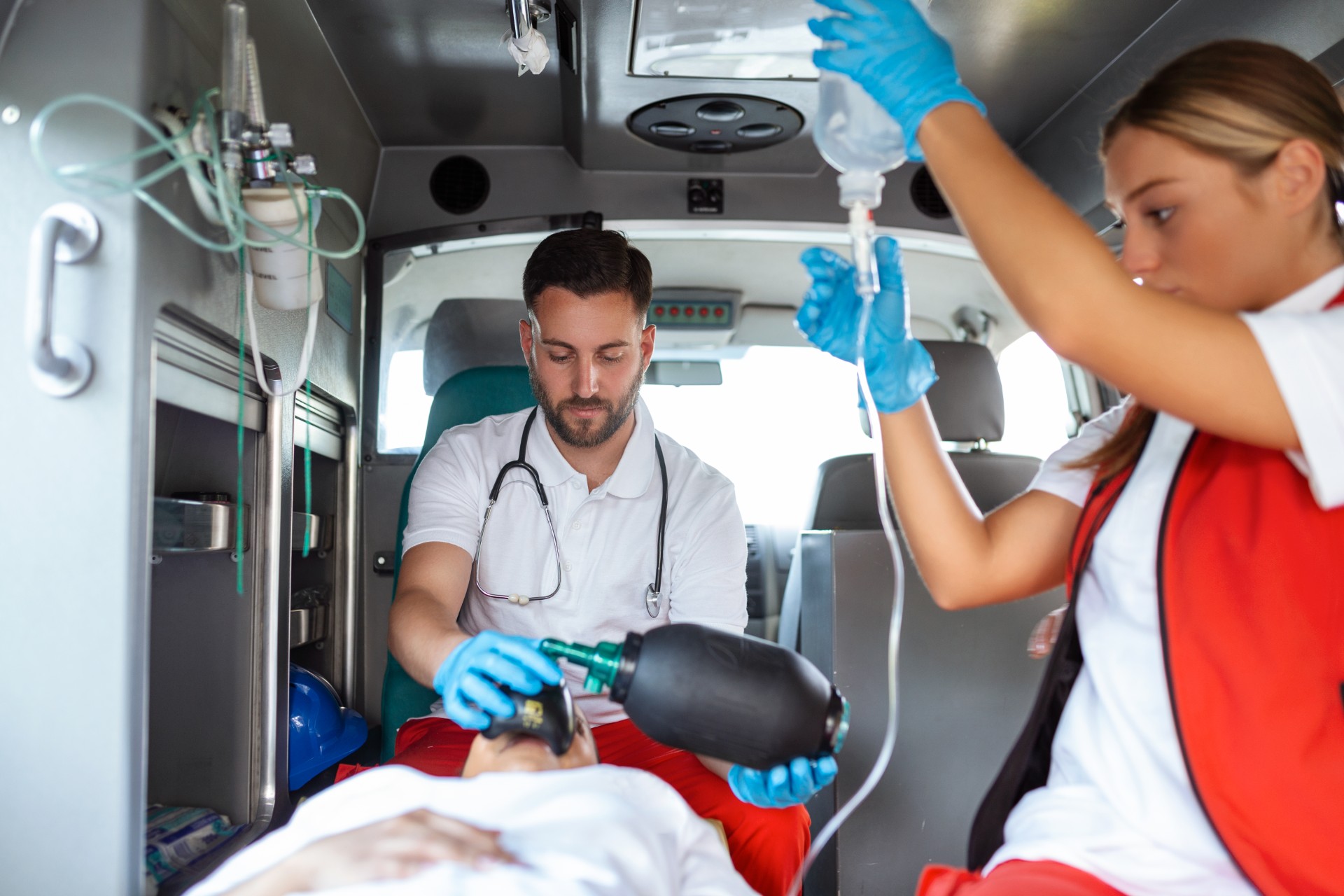
An emergency service is a specialized medical unit that provides immediate assessment, stabilization, and treatment for acute illnesses or injuries that may pose a threat to life or long-term health. It operates 24/7 and is staffed by professionals including emergency physicians, nurses, paramedics, and support personnel.
The primary goal is to deliver fast and effective care for critical conditions such as trauma, cardiac arrest, severe infections, or strokes.
When Should You Seek Emergency Care?
Certain signs and symptoms should prompt an immediate visit to the emergency department, including:
- Chest pain or discomfort that may signal a heart attack (e.g., pressure, squeezing, or pain radiating to the arm or jaw)
- Difficulty breathing or shortness of breath
- Loss of consciousness or unresponsiveness
- Severe or uncontrolled bleeding
- Major trauma (e.g., fractures, head injuries, deep wounds)
- Stroke symptoms (e.g., sudden numbness, confusion, speech difficulties, vision loss)
- Severe allergic reactions (anaphylaxis)
- Severe burns or chemical exposure
- Poisoning or drug overdose
- Severe abdominal pain or persistent vomiting
- High fever with seizures (especially in children)
- Suicidal thoughts or psychiatric emergencies
In any of these cases, do not delay—immediate medical attention is vital.
What Happens When You Arrive?
The emergency admission process typically includes:
- Triage – A nurse assesses your condition to prioritize care based on urgency.
- Registration – Your personal and medical details are recorded.
- Medical Evaluation – A physician conducts a physical exam and orders necessary tests.
- Diagnostics – Tests may include bloodwork, X-rays, ECGs, or CT scans.
- Treatment – Immediate medical or surgical interventions are performed as needed.
- Disposition – You may be discharged, admitted, or transferred for further care.
Speed and accuracy at this stage are essential to saving lives and improving outcomes.
What Treatments Are Offered?
Emergency departments provide a wide range of life-saving interventions, such as:
- CPR and Advanced Cardiac Life Support (ACLS)
- Wound care (e.g., stitches, dressings)
- Fracture treatment (splinting, immobilization)
- Medication administration (pain relief, antibiotics, etc.)
- Emergency surgery
- Airway management (intubation, ventilation)
- Fluid and blood replacement
- Vital signs monitoring
- Psychiatric crisis intervention
Emergency Department Units
To ensure efficient care, emergency departments often include:
- Triage Unit – Initial assessment and prioritization
- Resuscitation Room – For critical care procedures
- Observation Unit – Short-term monitoring
- Trauma Unit – Specialized care for major injuries
- Pediatric Emergency – Child-specific medical care
- Psychiatric Emergency – Mental health crisis management
- Diagnostic Imaging – On-site radiology
- Laboratory – Immediate testing support
When Should You Seek Help During Emergencies?
You should seek emergency care without delay if you experience:
- Sudden and severe symptoms like chest pain, signs of stroke, or difficulty breathing.
- Uncontrolled bleeding or traumatic injuries.
- Loss of consciousness or seizures.
- Severe allergic reactions or suspected poisoning.
- Severe burns or suspected internal injuries.
- Any condition that rapidly worsens or causes intense pain.
In these situations, timely medical intervention can be life-saving and help prevent long-term complications.
When Not to Use Emergency Services
Avoid going to the emergency department for non-urgent issues such as:
- Minor colds, mild flu, or minor cough
- Small cuts or bruises
- Chronic conditions without sudden worsening
- Prescription refills or routine checkups
- Mild allergic reactions
- Minor pain or discomfort
For these, primary care or outpatient clinics are more appropriate.
Frequently Asked Questions
How long will I wait?
Wait times depend on how serious your condition is. Critical cases are treated first.
Can I choose the hospital?
Yes, but in urgent cases, the nearest emergency-equipped facility is best.
Is emergency care expensive?
Costs vary by country and insurance. Life-saving care is prioritized regardless of payment.
What should I bring?
Bring ID, insurance information, a list of medications, and emergency contacts.
Can I refuse treatment?
You have the right to refuse, but always consider the medical risks involved.
Final Note
Emergency services play a crucial role in providing immediate care during life-threatening and urgent medical situations. Knowing what qualifies as an emergency, understanding how the process works, and being aware of available treatments enables individuals to use these services effectively.
Remember, in true emergencies, every second counts — never hesitate to seek help. For less urgent health concerns, , consider visiting a primary care provider or outpatient clinic to help ensure emergency resources remain available for those who need them most.