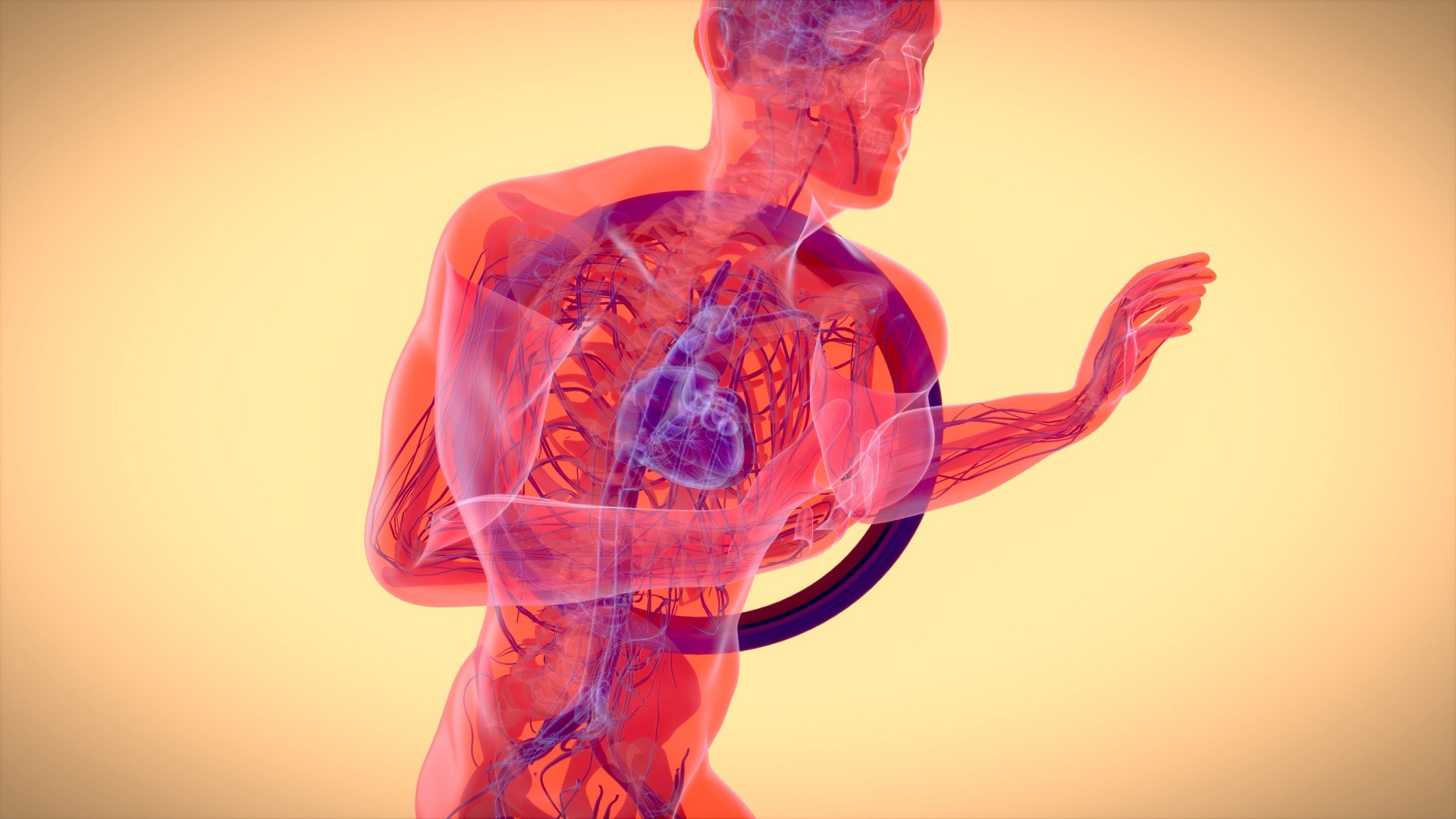
“Internal medicine is a branch of medicine that deals with the diagnosis, treatment, and management of diseases related to the body’s internal organs and systems, playing a critical role in maintaining general health and early diagnosis of various diseases.”
What Is Internal Medicine?
Internal medicine is a branch of medicine that deals with the diagnosis, treatment, and management of diseases related to the body’s internal organs and systems. This department generally handles the management of diseases that do not require surgical intervention. Internal medicine is an important part of the healthcare system and plays a critical role in evaluating patients’ general health status, monitoring chronic diseases, and referring to specialty areas when necessary.
There are many hospitals and clinics specializing in internal medicine. In these centers, patients are subjected to comprehensive evaluation by specialist physicians and receive the necessary guidance to protect their health. The internal medicine department is usually the first department patients consult and holds an important place in the diagnosis and treatment processes of various diseases.
What Diseases Does Internal Medicine Treat?
Internal medicine covers a wide range of diseases. The internal medicine department diagnoses and treats many conditions that affect general health.
» Chronic Diseases:
Management of chronic diseases such as diabetes, hypertension, heart diseases, and asthma is the responsibility of internal medicine specialists.
» Infectious Diseases:
Diagnosis and treatment of infections such as flu, pneumonia, and kidney infections.
» Digestive System Diseases:
Disorders related to the digestive system such as stomach ulcers, irritable bowel syndrome, and liver diseases.
» Respiratory System Diseases:
Respiratory tract diseases such as asthma and chronic obstructive pulmonary disease (COPD).
» Metabolic Diseases:
Diseases affecting metabolism such as obesity and hyperlipidemia.
» Autoimmune Diseases:
Conditions where the immune system overreacts, such as rheumatoid arthritis and lupus.
In the diagnosis and treatment of these diseases, internal medicine specialists evaluate patients’ general health status, perform necessary tests, and create appropriate treatment plans.
What Are the Diagnostic Methods in Internal Medicine?
Various methods are used to diagnose diseases in the field of internal medicine. These diagnostic methods are selected based on patients’ symptoms, health history, and physical examination findings.
» Physical Examination:
The specialist doctor performs a physical examination to evaluate the patient’s general condition. This examination includes basic health indicators such as heart rate, blood pressure, and respiratory status.
» Laboratory Tests:
Laboratory analyses of blood, urine, and other samples play an important role in the diagnosis of diseases. Tests such as blood count, biochemical tests, and infection markers are performed.
» Imaging Methods:
Methods such as X-ray, ultrasound, magnetic resonance imaging (MRI), and computed tomography (CT) provide information about the condition of internal organs.
» Functional Tests:
Various tests can be applied to evaluate heart, lung, and kidney functions. For example, respiratory function tests or stress tests.
» Endoscopy:
A method used for evaluating the digestive system. It is especially important in the diagnosis of stomach and intestinal diseases.
What Are the Treatment Methods in Internal Medicine?
Internal medicine specialists use various methods in the treatment of diseases. Treatment methods vary according to the type of disease, the patient’s general health status, and individual needs.
Medical Treatment
Drug therapy is a basic method in the treatment of many internal diseases. Various drugs such as antibiotics, antihypertensives, and antidiabetic medications are used to control diseases.
» Antibiotics:
For bacterial infections.
» Antihypertensives:
For blood pressure control.
» Antidiabetic Medications:
For diabetes management.
» Cholesterol-Lowering Drugs:
For hyperlipidemia treatment.
» Bronchodilators:
For respiratory diseases.
Lifestyle Changes
Diet, exercise, and other lifestyle changes play an important role, especially in the management of chronic diseases. Lifestyle changes are particularly recommended for diseases such as obesity, hypertension, and diabetes.
» Balanced and healthy nutrition programs
» Regular physical activity and exercise
» Smoking cessation and alcohol limitation
» Stress management techniques
» Adequate sleep and rest
Rehabilitation Programs
Physical rehabilitation programs can be applied to help patients in their recovery processes. This is especially important in heart and respiratory diseases.
» Cardiac rehabilitation
» Pulmonary rehabilitation
» Post-illness recovery programs
Counseling and Education
Providing health awareness to patients and educating them about their diseases is an important part of the treatment process. Patient education increases treatment compliance and helps patients protect their health.
» Disease-specific education programs
» Medication management training
» Self-monitoring techniques
» Warning signs to watch for
Importance of Early Diagnosis
Internal medicine plays a critical role in evaluating general health status and in the diagnosis and treatment processes of various diseases. Internal medicine specialists work to provide the best health service to their patients. It is important to consult the internal medicine department to protect your health and prevent diseases. Remember, early diagnosis and treatment is the key to a healthy life.
» Regular health check-ups
» Screening tests for age-appropriate diseases
» Monitoring of chronic conditions
» Preventive care and vaccinations