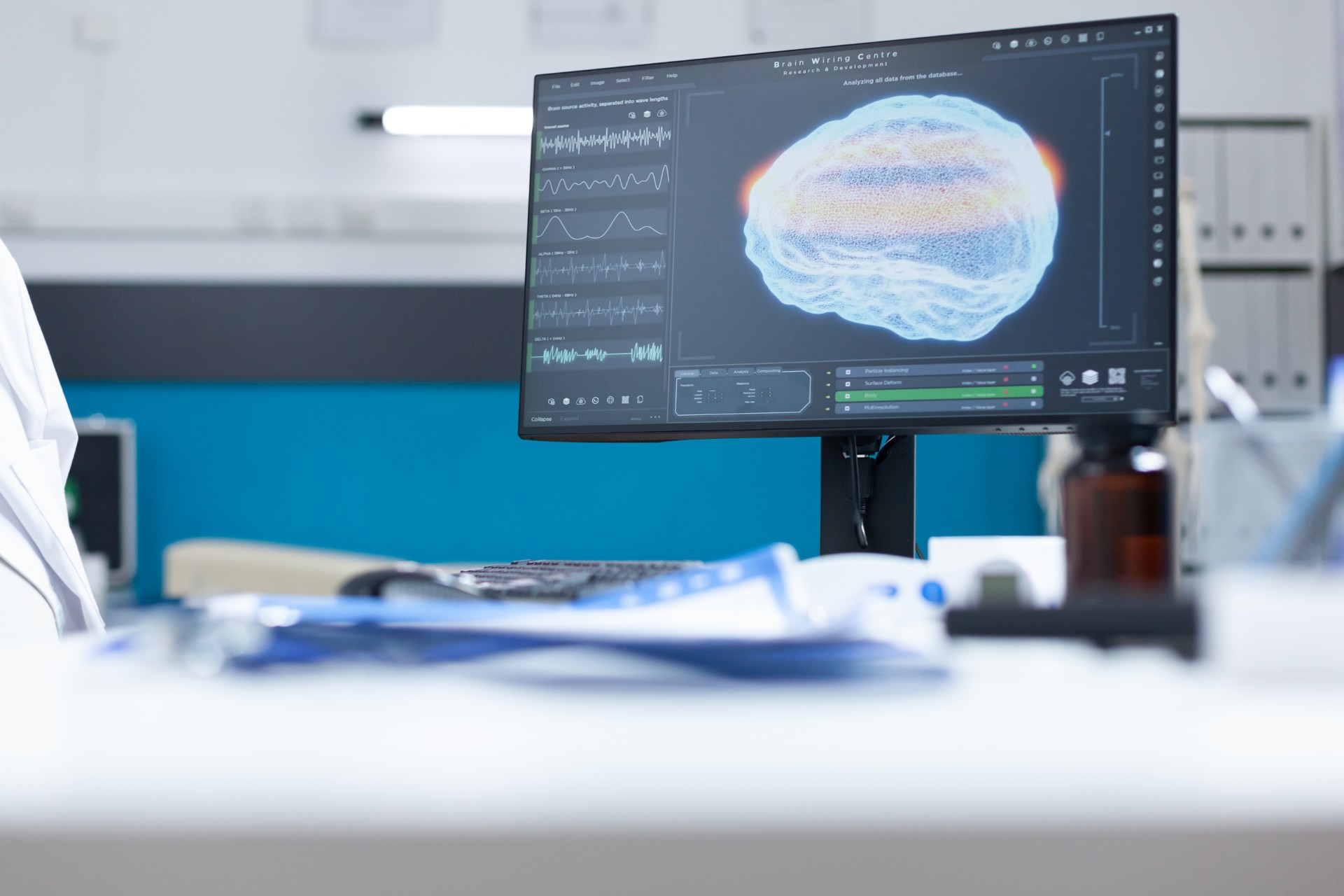
“Neurosurgery is a specialty field that undertakes the diagnosis and treatment of diseases of the brain, spinal cord, and nervous system, requiring complex surgical procedures and advanced diagnostic methods.”
What Is Neurosurgery?
Neurosurgery is a branch of medicine specialized in the diagnosis and surgical treatment of diseases related to the brain, spinal cord, spine, and nervous system. The neurosurgery department aims to protect patients’ health and improve their quality of life by providing precise treatment and surgical interventions for the complex structure and functions of the brain.
What Diseases Does Neurosurgery Treat?
The Brain and Nerve Surgery department performs diagnosis, treatment, and surgical interventions for many diseases related to the nervous system. Conditions such as brain and spinal cord tumors, cerebrovascular diseases, spinal disorders, childhood neurological diseases, and traumas fall within the specialty of neurosurgery.
» Brain Tumors:
Benign and malignant tumors affecting brain tissue and function.
» Spinal Cord Tumors:
Tumors affecting the spinal cord and surrounding structures.
» Cerebrovascular Diseases:
Aneurysms, arteriovenous malformations, and stroke.
» Spinal Disorders:
Herniated discs, spinal stenosis, and degenerative conditions.
» Traumatic Injuries:
Head injuries and spinal trauma requiring surgical intervention.
» Pediatric Neurosurgical Conditions:
Hydrocephalus, congenital anomalies, and childhood brain tumors.
» Functional Disorders:
Parkinson’s disease, tremor, and other movement disorders treatable with surgery.
» Peripheral Nerve Disorders:
Nerve compression syndromes and nerve injuries.
Diagnostic Methods
High-technology imaging and diagnostic methods are used in the diagnosis of neurosurgical diseases. The most common diagnostic methods include:
» Magnetic Resonance Imaging (MRI):
Preferred for detailed imaging of the brain, spinal cord, and spine. MRI provides excellent soft tissue contrast and helps identify tumors, infections, and structural abnormalities.
» Computed Tomography (CT):
Used especially for rapid diagnosis of traumas and brain hemorrhages. CT is often the first imaging study performed in emergency situations.
» Angiography:
Allows visualization of blood vessels in the diagnosis of cerebrovascular diseases and aneurysms. Both conventional and CT/MR angiography techniques are available.
» Positron Emission Tomography (PET):
Used in the evaluation of tumors and other brain diseases by measuring metabolic activities in the brain.
» Electroencephalography (EEG):
Helps in the diagnosis of epilepsy and some neurological disorders by analyzing brain waves.
» Biopsy:
In cases such as tumors, tissue sampling is performed for pathological examination to determine the type and grade of the lesion.
These methods provide high accuracy in the detection of brain and nervous system diseases, allowing for correct treatment plans to be made.
Treatment Methods
Treatment methods used in the neurosurgery department are determined considering the type of disease, location, patient’s age, and general health status.
Microsurgical Techniques
This surgical method performed using high-resolution microscopes is preferred especially in tumor removal operations. Microsurgery allows precise removal of lesions while preserving surrounding healthy tissue.
Endoscopic Surgery
This surgical method performed through small incisions opened in the body is less invasive and accelerates the healing process. Endoscopic techniques are used for pituitary tumors, hydrocephalus, and certain spinal conditions.
Gamma Knife and CyberKnife
Known as radiosurgery methods, these techniques use radiation without the need for surgical intervention in the treatment of brain tumors and vascular lesions. They deliver focused radiation to the target while minimizing exposure to surrounding healthy tissue.
Spinal Fusion
A surgical method applied to treat slippage and disc problems in the spine. This procedure stabilizes the spine and prevents further damage.
Deep Brain Stimulation (DBS)
In neurological diseases such as Parkinson’s and tremor, stimulation of certain areas in the brain is provided with electrodes placed in the brain. DBS can significantly improve quality of life for patients with movement disorders.
Brain Aneurysm Clipping and Coiling
Surgical and endovascular methods used in the treatment of brain aneurysms. Clipping involves placing a small metal clip on the aneurysm, while coiling uses platinum coils inserted through a catheter.
These treatment methods are determined by neurosurgery specialists according to the patient’s condition and planned to provide the most effective results.
Cerebrovascular Diseases
Cerebrovascular diseases are caused by disorders in the vascular structure of the brain and can lead to serious health problems.
» Brain Aneurysms:
Weakened areas in blood vessel walls that can rupture and cause life-threatening bleeding.
» Arteriovenous Malformation (AVM):
Abnormal tangles of blood vessels connecting arteries and veins in the brain.
» Brain Hemorrhages:
Bleeding within or around the brain requiring urgent intervention.
» Vascular Occlusions:
Blockages in brain blood vessels that can cause stroke.
Methods such as MRI, CT, and angiography are used in diagnosis, while surgical interventions such as aneurysm clipping and coiling are performed for treatment.
Brain and Spinal Cord Tumors
Brain and spinal cord tumors can cause various neurological problems in the brain and nervous system.
» Primary Brain Tumors:
Tumors originating from brain tissue, including gliomas, meningiomas, and acoustic neuromas.
» Metastatic Brain Tumors:
Cancer that has spread to the brain from other parts of the body.
» Spinal Cord Tumors:
Tumors affecting the spinal cord, nerve roots, or surrounding structures.
» Pituitary Tumors:
Tumors of the pituitary gland that may affect hormone production.
Advanced imaging techniques such as MRI, CT, and PET are used in the diagnosis of brain and spinal cord tumors. Microsurgery or radiosurgery (Gamma Knife, CyberKnife) methods are preferred according to the location and type of tumor.
Spinal Diseases
Spinal diseases can cause pain, movement restriction, and nerve compression.
» Spinal Slippage (Spondylolisthesis):
Forward displacement of one vertebra over another.
» Lumbar and Cervical Disc Herniation:
Protrusion of intervertebral disc material causing nerve compression.
» Spinal Fractures:
Breaks in the vertebrae due to trauma or osteoporosis.
» Spinal Stenosis:
Narrowing of the spinal canal causing nerve compression.
» Degenerative Disc Disease:
Age-related changes in the intervertebral discs.
Diseases are evaluated with diagnostic methods (MRI and CT). Surgical techniques such as spine surgery and spinal fusion are applied to ensure spinal stabilization and prevent nerve compression.
Childhood Brain and Nerve Diseases
Neurological diseases seen in childhood can affect the developmental process.
» Hydrocephalus:
Accumulation of cerebrospinal fluid in the brain, often requiring shunt placement.
» Congenital Anomalies:
Birth defects affecting the brain, spine, or nervous system.
» Pediatric Brain Tumors:
Tumors occurring in children requiring specialized surgical approach.
» Spina Bifida:
Neural tube defects affecting the spine and spinal cord.
» Craniosynostosis:
Premature fusion of skull bones requiring surgical correction.
Early diagnosis is vital in the treatment process and is treated with the surgeon’s careful approach. Pediatric neurosurgery requires specialized training and equipment appropriate for children.
Traumas
Traumas are conditions requiring emergency intervention due to head and spinal injuries.
» Traumatic Brain Injury:
Damage to the brain from external force, ranging from concussion to severe injury.
» Skull Fractures:
Breaks in the skull bones that may require surgical repair.
» Epidural and Subdural Hematomas:
Blood collections between the skull and brain requiring urgent evacuation.
» Spinal Cord Injury:
Damage to the spinal cord potentially causing paralysis.
» Vertebral Fractures:
Broken vertebrae that may threaten spinal stability.
CT and MRI are used in diagnosis; surgical intervention is performed for hemorrhage control or prevention of spinal cord damage. Rapid assessment and treatment are critical for optimal outcomes in trauma cases.