What Should You Know About Eye Diseases and Ophthalmology?
Your eyes are among the most vital organs, playing a central role in how you experience the world. Yet, many people overlook eye health until problems arise. The field of ophthalmology encompasses a wide range of eye conditions, from common vision problems such as myopia to more serious disorders like glaucoma and cataracts. In this guide, we explore what ophthalmology covers, the most common eye diseases, diagnostic and treatment options, and key tips for maintaining optimal eye health.
What Are Eye Diseases?
Eye diseases refer to any disorder or abnormal condition that affects the eyes or vision. They can be caused by genetics, aging, infections, trauma, or systemic diseases like diabetes. Common types of eye diseases include:
- Refractive errors: Myopia (nearsightedness), hyperopia (farsightedness), astigmatism, and presbyopia
- Strabismus (eye misalignment): Condition in which one eye is turned in a direction that’s different from the other eye.
- Cataracts: Clouding of the eye’s natural lens
- Glaucoma: Increased intraocular pressure that damages the optic nerve
- Macular degeneration: Age-related or juvenile deterioration of central vision
- Diabetic retinopathy: Damage to retinal blood vessels due to diabetes
- Dry eye syndrome, eye allergies, conjunctivitis, and infections.
If left untreated, many eye diseases can lead to permanent vision loss.
Which Conditions Are Treated in the Ophthalmology Department?
The ophthalmology department treats a wide array of eye conditions, including:
- Refractive errors (myopia, hyperopia, astigmatism, presbyopia)
- Cataracts
- Glaucoma
- Retinal diseases (retinal detachment, diabetic retinopathy, hereditary retinal diseases)
- Macular degeneration (juvenile or age related)
- Corneal diseases (keratoconus, infections, injuries)
- Lid and tear duct disorders
- Eye infections (conjunctivitis, blepharitis)
- Pediatric eye problems (strabismus, amblyopia, ROP, refractice errors)
- Ocular trauma
- Neuro-ophthalmological conditions
Ophthalmologists also offer vision correction surgeries and manage systemic diseases with eye manifestations, such as diabetes or hypertension.
Current Treatment Methods for Myopia, Hyperopia, and Astigmatism
Refractive errors are among the most frequently diagnosed eye problems. Fortunately, various treatment options are available:
1. Eyeglasses
The simplest and most widely used method to correct vision. Prescription lenses are tailored to each patient’s refractive needs.
2. Contact Lenses
Available in soft or rigid formats, contacts correct refractive errors and are preferred by many for aesthetic or functional reasons.
3. Refractive Surgery
Modern laser surgeries offer long-term correction:
- LASIK (Laser-Assisted In Situ Keratomileusis): Reshapes the cornea for clearer vision
- PRK (Photorefractive Keratectomy): A surface-based laser procedure
- SMILE (Small Incision Lenticule Extraction): A minimally invasive laser procedure for myopia and astigmatism
These procedures reduce or eliminate dependence on glasses or contacts.
What Are the Diagnostic Methods Used in Eye Diseases?
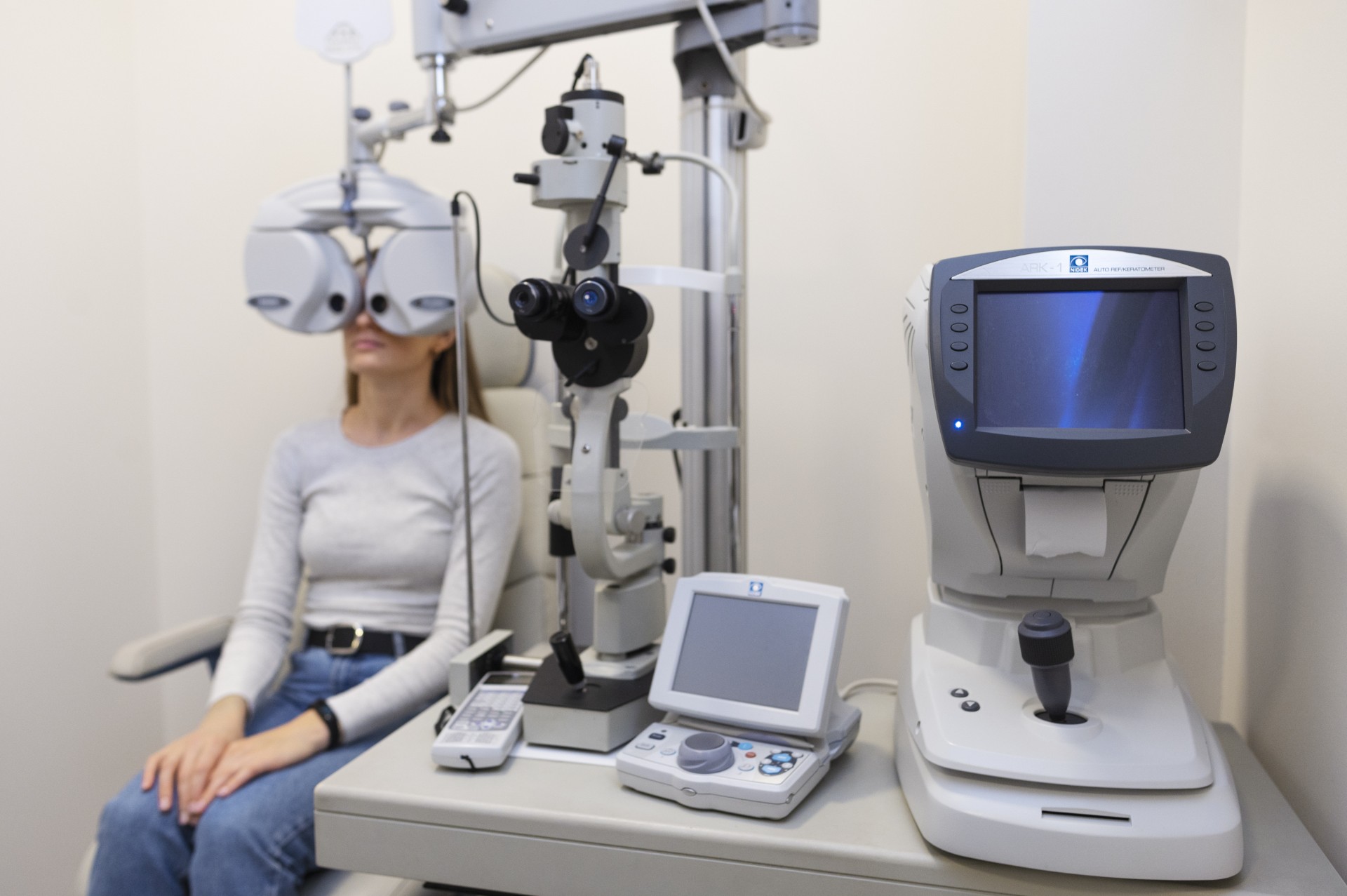
Early diagnosis is essential for effective eye disease management. Ophthalmologists use several diagnostic techniques:
- Visual acuity test: Determines clarity of vision
- Refraction assessment: Measures refractive error and determines the correct prescription
- Slit-lamp examination: Examines the anterior segment of the eyes in detail
- Tonometry: Measures intraocular pressure (important for glaucoma detection)
- Fundus examination: Evaluates the retina, optic nerve, and retinal blood vessels
- Optical coherence tomography (OCT): Provides cross-sectional images of the retina
- Visual field testing: Assesses central and peripheral vision
- Corneal topography: Maps the surface curvature of the cornea
- Fluorescein angiography: Highlights retinal blood vessels using a special dye
These tools allow for the accurate detection and monitoring of a wide range of eye conditions.
What Are the Treatment Options for Eye Diseases?
Treatment varies by condition and severity. Common methods include:
1. Medications
- Eye drops for infections, inflammation, or glaucoma
- Oral medications for systemic infections or inflammation affecting the eyes
2. Laser Treatments
- Used in retinal diseases, glaucoma, and diabetic retinopathy
3. Surgical Interventions
- Cataract surgery: Removal of the cloudy lens and replacement with an artificial intraocular lens (IOL)
- Glaucoma surgery: Improves drainage of intraocular fluid
- Vitrectomy: Removes the vitreous gel to treat retinal diseases
- Corneal transplantation: For damaged or diseased corneas
- Strabismus surgery: Corrects eye misalignment in children and adults
4. Vision Correction Procedures
- LASIK, PRK, SMILE, or ICL (implantable contact lenses)
The ophthalmologist will determine the most appropriate treatment based on the patient’s needs and overall eye health.
How to Protect Your Eye Health?
Protecting your eyes from damage and disease is crucial at any age. Here are essential tips:
- Get regular eye exams, even if you have no symptoms
- Wear sunglasses with UV protection outdoors
- Take breaks from screens using the 20-20-20 rule (every 20 minutes, look at something 20 feet away for 20 seconds)
- Use protective eyewear when working in hazardous environments or playing sports
- Manage chronic health conditions like diabetes and hypertension
- Avoid smoking, which increases the risk of macular degeneration and cataracts
- Stay hydrated, as dry eyes can result from dehydration
- Get enough sleep, which is vital for eye lubrication and repair
Things to Consider When Using Contact Lenses
While contact lenses are convenient, improper use can lead to serious complications:
- Wash hands thoroughly before handling lenses
- Never sleep with contacts unless prescribed
- Replace lenses and cases as recommended by your eye doctor
- Avoid tap water to rinse lenses or cases
- Don’t wear lenses while swimming or bathing
- Monitor for symptoms like redness, pain, or blurry vision and seek medical advice promptly
Poor hygiene and overuse can lead to infections, corneal ulcers, and even vision loss.
Nutrition and Lifestyle Recommendations for Eye Health
Your diet and daily habits significantly impact your eye health:
- Consume foods rich in antioxidants, such as leafy greens, carrots, and bell peppers (lutein, zeaxanthin, beta-carotene)
- Omega-3 fatty acids, found in fish like salmon and tuna, support tear production and retinal function
- Vitamin A, essential for night vision and corneal health
- Zinc and vitamin C, important for reducing age-related vision loss
- Limit sugar and processed foods, especially for diabetic patients
- Stay physically active to improve circulation and reduce the risk of eye-related conditions
A healthy lifestyle is one of the best defenses against vision problems.
Frequently Asked Questions About Eye Diseases
- How often should I have an eye exam?
Every 1–2 years for adults; annually if you wear glasses or have a chronic condition.
- Can vision loss be reversed?
Some conditions are reversible (e.g., cataracts), but others (like glaucoma) require early detection to prevent progression.
- At what age should children see an eye doctor?
First check at 0-3 months, then at age 1, at age 3, and before starting school. Annual eye checks throughout the school age are advised. The first eye examination should be done at 4 weeks of age for premature infants.
- Is laser eye surgery safe?
Yes, when performed by experienced surgeons. Most patients experience improved vision and low complication rates.
- Can diet really help eye health?
Yes. Nutrients like lutein, zeaxanthin, omega-3s, and vitamin A are vital for eye function and disease prevention.
Conclusion
Ophthalmology is essential for diagnosing and treating a wide variety of eye conditions that can impair vision and affect quality of life. With advanced diagnostic tools, modern surgical techniques, and an emphasis on prevention, today’s ophthalmology offers hope and healing for millions.
Whether you’re managing a chronic eye disease or simply due for a routine eye exam, maintaining regular visits to an ophthalmologist is one of the best ways to preserve your vision for life.