What Should You Know About Orthopedics and Traumatology and Its Specialized Treatments?
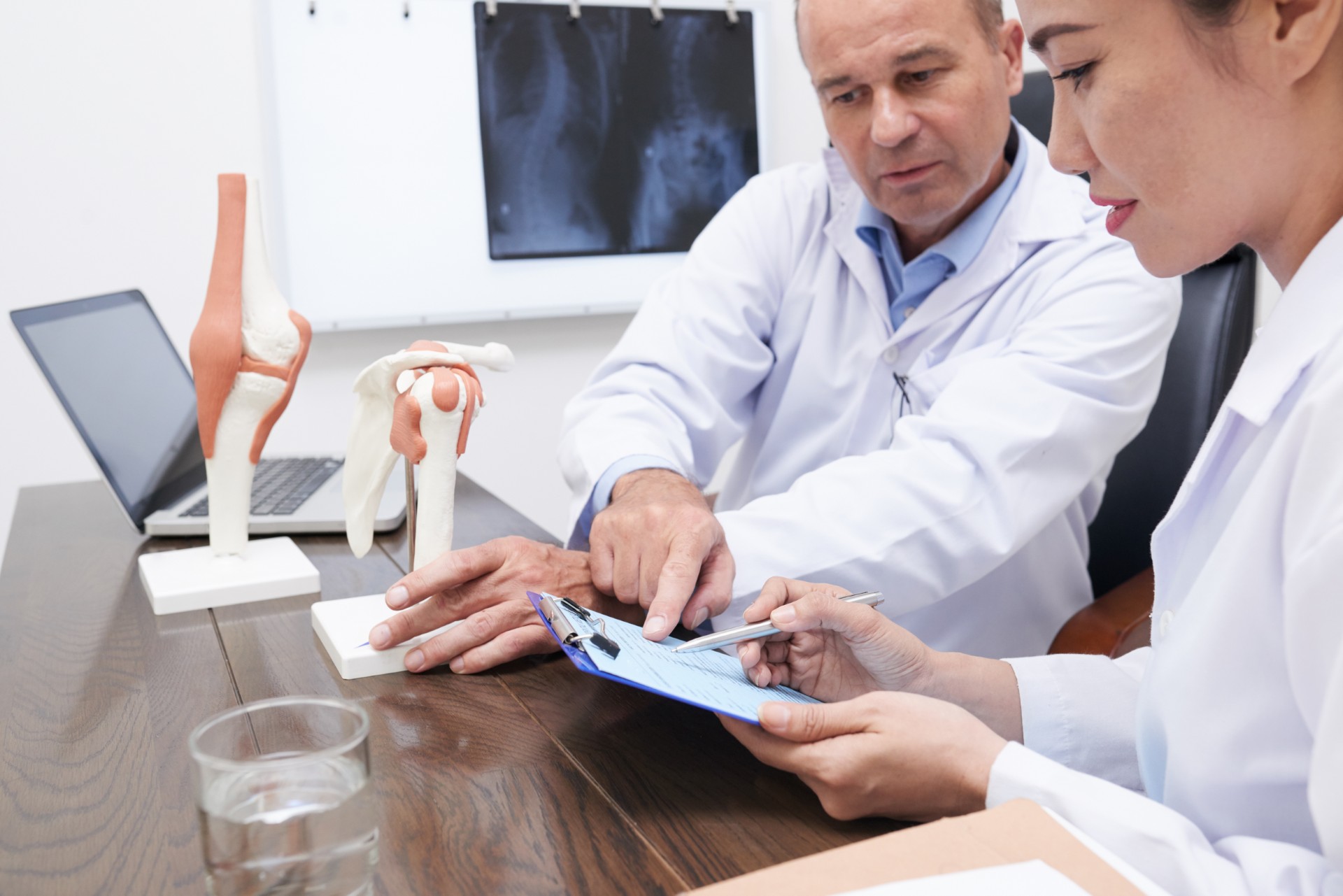
Orthopedics and traumatology are medical specialties focused on the diagnosis, treatment, and prevention of disorders and injuries affecting the musculoskeletal system—including bones, joints, muscles, ligaments, tendons, and nerves. Understanding the scope of these fields, common conditions, and advanced surgical options can help patients recognize when to seek care and what treatments are available. This article answers key questions about orthopedics and traumatology, highlights specialized areas like spine surgery and pediatric orthopedics, and explains the latest approaches to managing musculoskeletal health.
What Is Orthopedics and Traumatology?
Orthopedics is the branch of medicine concerned with the musculoskeletal system. It deals with congenital conditions, degenerative diseases, and injuries affecting bones, joints, muscles, and connective tissues. Traumatology focuses specifically on the treatment of acute injuries resulting from trauma, such as fractures, dislocations, and soft tissue damage.
Together, these specialties address both chronic disorders—like osteoarthritis—and sudden traumatic injuries, aiming to restore mobility, reduce pain, and improve quality of life. Orthopedic surgeons employ both surgical and non-surgical methods to manage these conditions.
Common Orthopedic and Traumatological Conditions
Patients commonly seek orthopedic care for a variety of conditions, including:
- Fractures: Broken bones resulting from accidents or falls.
- Dislocations: Joints forced out of their normal position.
- Osteoarthritis: Degeneration of joint cartilage causing pain and stiffness.
- Tendon and Ligament Injuries: Such as tears in the rotator cuff or ACL.
- Congenital Deformities: Including clubfoot or scoliosis.
- Bone Infections and Tumors: Benign and malignant growths requiring specialist care.
- Soft Tissue Injuries: Muscle strains, sprains, and nerve compressions.
Early diagnosis and proper management are critical to preventing long-term disability.
What Is Spine Surgery (Spinal Surgery)?
Spine surgery addresses diseases and injuries affecting the vertebral column and spinal cord. Common reasons for spinal surgery include:
- Herniated Discs: When discs compress spinal nerves causing pain or weakness.
- Spinal Stenosis: Narrowing of the spinal canal that leads to nerve compression.
- Scoliosis: Abnormal curvature of the spine requiring correction.
- Spinal Fractures: Resulting from trauma or osteoporosis.
- Degenerative Disc Disease: Wearing down of spinal discs with age.
Spine surgeons use minimally invasive techniques when possible to reduce recovery time. Procedures can range from discectomy and laminectomy to complex spinal fusions and deformity corrections.
What Is Pediatric Orthopedics and Traumatology?
Pediatric orthopedics focuses on musculoskeletal issues in infants, children, and adolescents. Because children are still growing, their conditions and treatments differ from adults. Key aspects include:
- Growth Plate Injuries: Special care is needed to avoid growth disturbances.
- Congenital Abnormalities: Treatment of deformities like hip dysplasia or clubfoot.
- Developmental Conditions: Such as leg length discrepancies and juvenile arthritis.
- Trauma: Managing fractures and injuries with consideration for growth.
- Non-Surgical and Surgical Interventions: Tailored to ensure proper development and function.
Pediatric orthopedic specialists work closely with families to optimize long-term outcomes.
What Is Foot and Ankle Surgery?
Foot and ankle surgery treats a wide range of conditions, from trauma to chronic deformities. Common procedures address:
- Fractures and Ligament Injuries: Repair and reconstruction after trauma.
- Bunions and Hammertoes: Corrective surgeries to relieve pain and improve function.
- Arthritis and Tendon Disorders: Including treatment for Achilles tendonitis.
- Flatfoot and High-Arched Feet: Surgical realignment when conservative measures fail.
- Nerve Entrapment Syndromes: Such as tarsal tunnel syndrome.
Advancements in surgical techniques allow for more precise and less invasive interventions, improving recovery and outcomes.
What Is Orthopedic Oncology (Bone and Soft Tissue Tumors)?
Orthopedic oncology specializes in the diagnosis and treatment of benign and malignant tumors affecting bones and soft tissues. This includes:
- Primary Bone Cancers: Such as osteosarcoma and Ewing’s sarcoma.
- Soft Tissue Sarcomas: Tumors arising from muscles, fat, or connective tissue.
- Metastatic Tumors: Cancer spreading to bones from other organs.
- Benign Tumors and Cysts: That may cause pain or fractures.
Treatment often involves a multidisciplinary approach including surgery, chemotherapy, and radiation therapy. Limb-sparing surgeries aim to remove tumors while preserving function.
What Are Shoulder and Elbow Surgeries?
Shoulder and elbow surgeries address injuries and degenerative conditions affecting these complex joints. Procedures include:
- Rotator Cuff Repair: To fix torn tendons causing pain and weakness.
- Shoulder Replacement: For severe arthritis or fractures.
- Labral Repairs: To stabilize shoulder dislocations.
- Elbow Arthroscopy: Minimally invasive surgery for conditions like tennis elbow.
- Fracture Fixations: Surgical treatment for broken bones around the shoulder and elbow.
Postoperative rehabilitation is essential to restore mobility and strength.
What Are Osteoarthritis and Degenerative Joint Diseases?
Osteoarthritis is a common degenerative joint disease characterized by cartilage breakdown, leading to pain, stiffness, and reduced mobility. It primarily affects weight-bearing joints such as knees, hips, and the spine but can also involve the hands and shoulders.
Management includes:
- Lifestyle Modifications: Weight loss and exercise.
- Medications: Pain relievers and anti-inflammatory drugs.
- Physical Therapy: To maintain joint function.
- Surgical Options: Joint replacement or cartilage repair in advanced cases.
Early intervention can slow progression and improve quality of life.
What Is Extremity Surgery?
Extremity surgery refers to surgical procedures performed on the limbs (arms and legs) to address trauma, deformities, or degenerative conditions. These surgeries include:
- Fracture Repair: Using plates, screws, or rods to stabilize broken bones.
- Correction of Deformities: Such as angular or length discrepancies.
- Tendon and Ligament Repairs: Restoring joint stability and function.
- Joint Replacements: In knees, hips, or shoulders to relieve pain.
Advances in surgical techniques and implants have greatly improved outcomes and recovery times.
What Is Hand and Upper Extremity Surgery?
Hand and upper extremity surgery focuses on treating conditions affecting the hands, wrists, forearms, and elbows. Common issues include:
- Carpal Tunnel Syndrome: Nerve compression causing numbness and pain.
- Trigger Finger: Tendon inflammation causing finger locking.
- Fractures and Dislocations: Surgical stabilization of broken bones.
- Arthritis: Joint replacement or fusion to relieve pain.
- Soft Tissue Injuries: Repair of ligaments and tendons.
These surgeries require precision and careful rehabilitation to restore fine motor function.
What Is Upper Extremity Surgery?
Upper extremity surgery encompasses surgical interventions on the shoulder, arm, elbow, forearm, wrist, and hand. It aims to restore function and relieve pain caused by trauma, degenerative diseases, or congenital conditions. Techniques range from minimally invasive arthroscopy to open reconstructive surgeries.
In Summary
Orthopedics and traumatology cover a broad spectrum of musculoskeletal health, from injury management to complex surgical treatments. Whether it involves spine surgery, pediatric orthopedics, foot and ankle interventions, or orthopedic oncology, specialized care ensures patients receive tailored and effective treatments. Understanding the conditions treated and available options helps patients make informed decisions and promotes better outcomes.
If you experience pain, trauma, or mobility issues in your bones or joints, consulting an orthopedic specialist can guide you toward the best treatment plan and improve your quality of life.