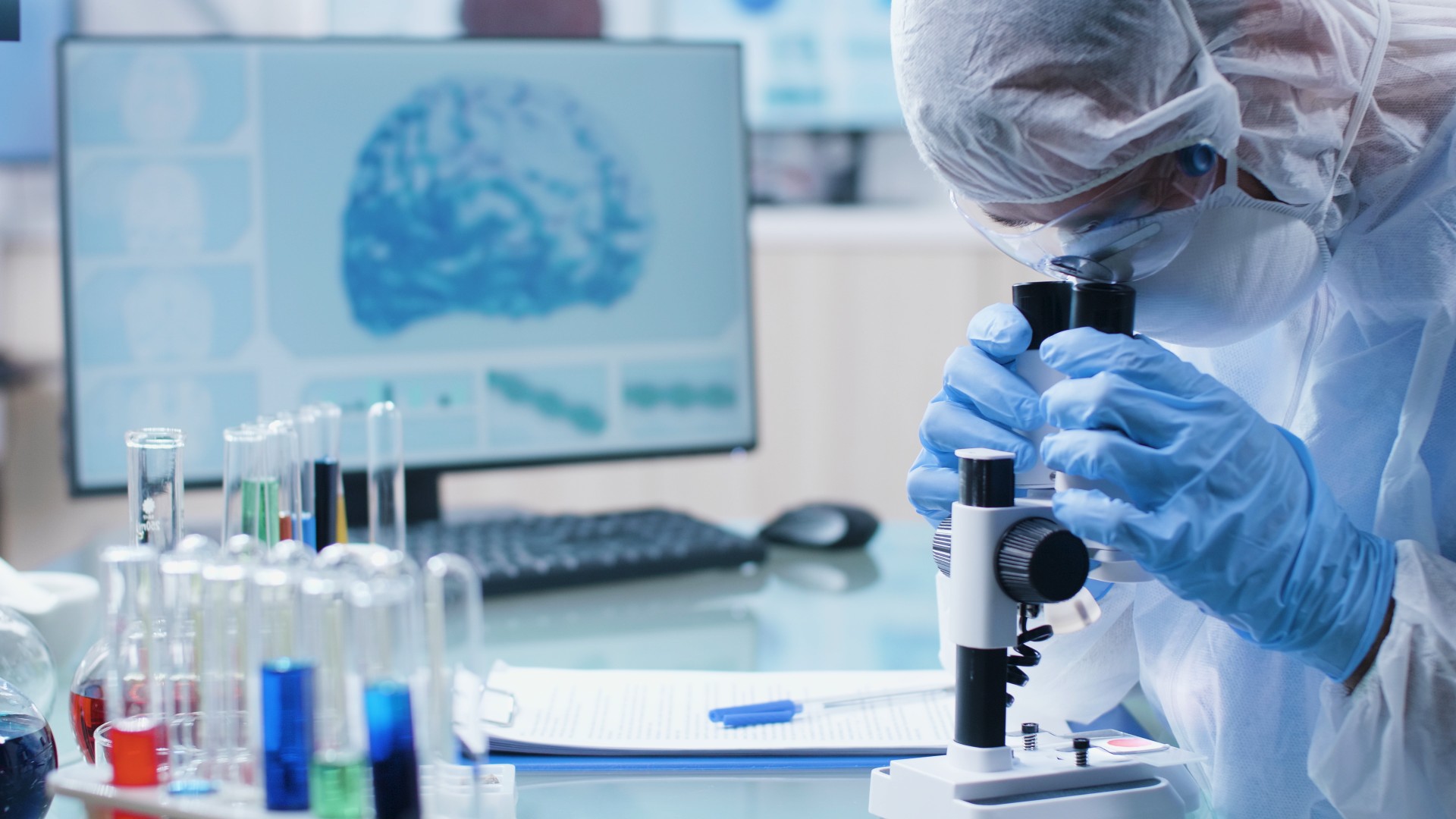
“Pathology stands out as an important discipline in healthcare, playing a critical role in the diagnosis and follow-up of diseases. Within the scope of disease sciences, pathology contributes to medical practice by examining the origins, development processes, and outcomes of diseases.”
What Is Pathology?
Pathology is defined as the science of disease and is derived from the combination of the words “pathos” (disease) and “logos” (science). In practice, it is a branch of medicine concerned with diagnosing diseases. It examines the causes of diseases (etiology), mechanisms of development (pathogenesis), clinical and microscopic appearances (morphology), and the course of disease (prognosis). Physicians who perform these evaluations are called “pathologists.”
What Diseases Does Pathology Examine?
Pathology plays a role in the evaluation of all types of diseases that have morphological manifestations. It holds an important place in the diagnosis and follow-up of a wide range of diseases such as cancer, infectious diseases, autoimmune diseases, and genetic diseases.
» Tumors:
Benign and malignant neoplasms affecting various organs and tissues throughout the body.
» Inflammatory Diseases:
Acute and chronic inflammatory conditions affecting different organ systems.
» Degenerative Diseases:
Progressive conditions involving tissue and organ deterioration.
» Infectious Diseases:
Diseases caused by bacteria, viruses, fungi, and parasites requiring tissue diagnosis.
» Autoimmune Diseases:
Conditions where the immune system attacks the body’s own tissues.
» Genetic Diseases:
Hereditary conditions requiring molecular and genetic analysis.
The quality of pathology departments is measured by the number of procedures, accuracy, and speed. Pathology reports are used as medical documents for both diagnosis and treatment guidance.
How Long Does It Take to Get Pathology Results?
The time for pathology reports to be completed is not standard. In our clinic, reports are targeted to be delivered within five business days.
» Standard Reports:
Normally completed within five business days.
» Delayed Cases:
Evaluation of some cases may be extended if the pathology result is delayed due to complexity or additional testing requirements.
» Urgent Cases:
Reports can be completed within 24 hours for urgent cases.
» Intraoperative Examination (Frozen Section):
Reports can be generated within minutes during surgery.
Report time varies depending on the pathology department’s capacity, number of staff, and workload.
What Are the Different Fields of Pathology?
Pathology has various subfields, each with specialized focus areas:
» Histopathology:
Diagnoses diseases by examining tissues under the microscope. This is the most common form of pathological examination, involving the study of tissue architecture and cellular details.
» Cytopathology:
Deals with the evaluation of cellular materials. This includes fine needle aspiration specimens, body fluids, and screening samples like Pap smears.
» Molecular Pathology:
Determines the diagnosis and prognosis of diseases through genetic and molecular analyses. This field is increasingly important for personalized medicine and targeted therapies.
» Surgical Pathology:
Examines tissues removed during surgical procedures, from small biopsies to large resection specimens.
» Autopsy Pathology:
Post-mortem examination to determine the cause of death and study disease processes.
» Dermatopathology:
Specialized examination of skin biopsies and skin diseases.
» Neuropathology:
Focused on diseases of the nervous system, including brain tumors and neurodegenerative diseases.
Medical pathology examines the mechanisms and effects of diseases in addition to general pathological diagnostic processes.
How Does the Pathology Process Work?
Sample Collection and Submission
The pathology process begins with sample collection. The doctors who request pathology and the hospital are responsible for sending the collected samples to the pathology department without delay.
» Information Recording:
Personal and clinical information entered into the computer system, including where and how the sample was taken, the operation performed, and possible preliminary diagnoses are recorded.
» Sample Preservation:
Samples are delivered to the pathology department in appropriate fixation solutions (formalin for tissues, alcohol for fluids) without delay.
» Sample Processing:
Samples received in the pathology department are processed to make them examinable.
Laboratory Processing
» Tissue Processing:
Tissues are processed through a series of chemical steps to prepare them for sectioning.
» Embedding:
Processed tissues are embedded in paraffin wax blocks.
» Sectioning:
Thin sections are cut from the blocks using a microtome.
» Staining:
Sections are stained with various dyes to highlight cellular structures.
» Microscopic Examination:
Pathologists examine the prepared slides under the microscope.
» Report Generation:
Findings are documented in a pathology report with diagnosis and recommendations.
What Tests Are Performed in the Pathology Laboratory?
Many tests and examinations are performed in the pathology laboratory. Pathology testing is vital for disease diagnosis.
Histopathological Examinations
» Routine Histopathological Examinations:
Standard tissue examination with hematoxylin and eosin staining.
» Histochemical Staining:
Special stains to identify specific tissue components, microorganisms, or substances.
» Small Biopsies:
Needle biopsies and endoscopic biopsies from various organs.
» Excisional Biopsies:
Complete removal of lesions for examination.
» Large Surgical Materials:
Major resection specimens including organs and complex surgical specimens.
Cytopathological Examinations
» Fine Needle Aspiration Cytology:
Cellular evaluation of material obtained through fine needle aspiration.
» Fluid Cytology:
Examination of lavage fluids, urine, and other body fluids.
» Cervico-Vaginal Smear (Pap Smear):
Screening examination for cervical abnormalities.
» Sputum Cytology:
Examination of respiratory secretions for abnormal cells.
Molecular Pathology Applications
» Immunohistochemistry:
Uses antibodies to detect specific proteins in tissue sections, essential for tumor classification and targeted therapy selection.
» Molecular Testing:
Genetic and molecular analyses for diagnosis, prognosis, and treatment selection.
» In Situ Hybridization:
Detection of specific DNA or RNA sequences in tissue sections.
Intraoperative Consultation (Frozen Section)
Rapid examination of tissue during surgery to guide surgical decision-making, with results available within minutes.