


Our Team
A short introduction to your team members and why their background should inspire potential clients’ confidence.
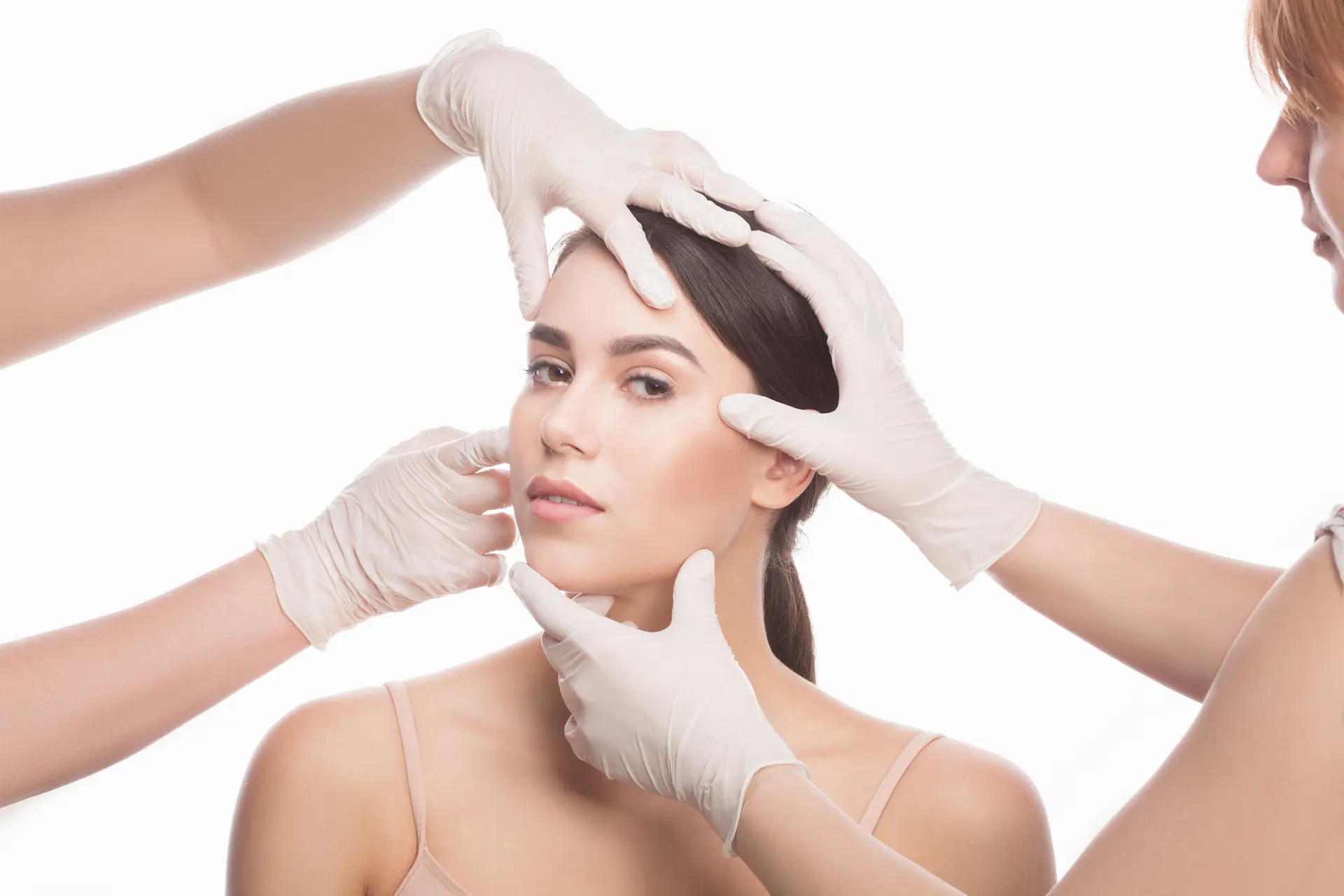
Plastic, Reconstructive and Aesthetic Surgery
Plastic, Reconstructive and Aesthetic Surgery
“Plastic, Reconstructive and Aesthetic Surgery corrects the structure of the body, provides improvements in appearance, and particularly provides treatment by making improvements on the skin.”
What Is Plastic Surgery?
Plastic Surgery is a branch of medicine that aims to correct deformations occurring in various parts of the body due to congenital, developmental, or traumatic reasons. It includes both aesthetic (cosmetic) surgical procedures and reconstructive surgical applications for the elimination of functional disorders. Plastic surgery improves both the physical appearance of individuals and enhances their quality of life.
In Which Areas Does Plastic, Reconstructive and Aesthetic Surgery Serve?
This surgical field offers diagnosis, treatment, and surgical operations in a wide range including aesthetic interventions, congenital and acquired deformations, injuries, and skin cancers. Among the most common service areas are facial aesthetics, body contouring, trauma surgery, and microsurgery.
» Facial Aesthetics:
Rhinoplasty, facelift, eyelid surgery, ear correction, and other facial enhancement procedures.
» Body Contouring:
Liposuction, abdominoplasty, body lifts, and shaping procedures.
» Breast Surgery:
Augmentation, reduction, lift, and reconstruction procedures.
» Trauma Surgery:
Repair of injuries and deformities caused by accidents or trauma.
» Microsurgery:
Advanced techniques for nerve, vessel repair, and tissue transfer.
» Skin Cancer Treatment:
Excision and reconstruction of cancerous skin lesions.
» Burn Treatment:
Acute burn care and scar revision.
» Congenital Deformities:
Correction of birth defects affecting appearance and function.
Diagnostic Methods
In the diagnosis of plastic, reconstructive and aesthetic surgery applications, patient history, physical examination, and in some cases imaging techniques are used:
» Physical Examination:
Evaluation of the aesthetic or functional disorder in the relevant area. The surgeon assesses the patient’s concerns, expectations, and anatomical features.
» Photograph and Image Analyses:
For comparison of changes before and after surgery. Standardized photography helps document the baseline condition and plan the surgical approach.
» MRI and CT Scanning:
Preferred especially in reconstructive surgeries for detailed examination of anatomical structure. These imaging modalities help identify underlying structures and plan complex reconstructions.
» Three-Dimensional Simulations:
In aesthetic surgical procedures, planning is done with three-dimensional simulations for post-operative appearance prediction. This technology allows patients to visualize potential outcomes.
» Doppler Ultrasound:
Used in microsurgery and flap planning to assess blood vessel patency and flow.
These diagnostic methods ensure that the most accurate treatment option is determined for the patient’s needs.
Treatment Methods
The treatment methods offered by plastic, reconstructive and aesthetic surgery are performed for various purposes such as aesthetic improvement, functional correction, or scar reduction.
Aesthetic Surgery Procedures
Procedures aimed at improving aesthetic appearance:
» Rhinoplasty (Nose Aesthetic):
Surgical reshaping of the nose for improved appearance and/or breathing function.
» Facelift (Rhytidectomy):
Lifting and tightening of facial tissues to reduce signs of aging.
» Abdominoplasty (Tummy Tuck):
Removal of excess skin and fat from the abdomen and tightening of abdominal muscles.
» Liposuction:
Removal of localized fat deposits through suction techniques.
» Blepharoplasty (Eyelid Surgery):
Correction of drooping eyelids and removal of excess skin around the eyes.
» Breast Augmentation:
Enhancement of breast size using implants or fat transfer.
» Breast Reduction:
Reduction of breast size and reshaping.
» Otoplasty (Ear Surgery):
Correction of protruding or misshapen ears.
» Brow Lift:
Lifting of the eyebrows to reduce forehead wrinkles and improve appearance.
Reconstructive Surgery
Surgeries performed to restore function loss in body parts:
» Breast Reconstruction:
Rebuilding the breast after mastectomy or trauma.
» Cleft Lip and Palate Repair:
Correction of congenital facial deformities.
» Skin Flap Surgery:
Transfer of tissue to cover defects caused by trauma or surgery.
» Hand Surgery:
Repair of hand injuries, congenital anomalies, and conditions affecting hand function.
» Scar Revision:
Improvement of the appearance of scars from previous surgeries or injuries.
» Skin Grafting:
Transplantation of skin to cover wounds or defects.
Microsurgery
An advanced surgical technique that enables repair of vessels and nerves with fine details. It is especially used in limb replantation and free tissue transfers.
» Free Flap Transfer:
Transplantation of tissue with its blood supply to reconstruct complex defects.
» Nerve Repair:
Microsurgical repair of damaged nerves to restore function.
» Vessel Anastomosis:
Reconnection of blood vessels with microscopic precision.
Burn Treatment and Repair
» Acute Burn Care:
Immediate treatment of burn injuries to minimize tissue damage.
» Skin Grafting:
Coverage of burn wounds with healthy skin.
» Scar Revision:
Improvement of burn scar appearance and function.
» Contracture Release:
Surgical release of tight scar tissue that limits movement.
Skin Cancer Treatment
» Surgical Excision:
Removal of cancerous tissues.
» Mohs Surgery:
Layer-by-layer removal of skin cancer with microscopic examination.
» Reconstruction:
Rebuilding of the skin and underlying structures after cancer removal.
These methods offer personalized treatment solutions according to the patient’s aesthetic and functional needs.
Aesthetic Surgery
Aesthetic surgery aims to improve the appearance of patients through cosmetic operations performed on the face and body region. Aesthetic operations performed on areas such as the nose, ears, eyelids, face, breasts, and abdomen increase patients’ self-confidence and help them feel better about themselves.
Common aesthetic procedures include rhinoplasty, facelift, blepharoplasty, breast augmentation and reduction, abdominoplasty, liposuction, and body contouring procedures.
Reconstructive Surgery
Reconstructive surgery includes surgical interventions performed for the correction of congenital anomalies or subsequently formed deformations. Cleft palate and lip, burn scars, post-trauma tissue losses, and breast reconstruction are the main areas of reconstructive surgery.
The goal of reconstructive surgery is to restore both form and function, allowing patients to lead normal lives after injury, illness, or birth defects.
Burn Treatment and Rehabilitation
Burn surgery consists of treatment methods aimed at reducing post-burn scars and tissue loss. Skin grafting, wound care, and aesthetic correction surgeries are an important part of burn treatment. The healing process of burns may require both physical and psychological rehabilitation.
» Acute burn management and wound care
» Skin grafting and tissue coverage
» Scar management and revision
» Physical therapy for mobility
» Psychological support and counseling
Childhood Deformities
Congenital anomalies can cause aesthetic and functional problems in children. Plastic surgery procedures performed in childhood include correction of congenital disorders such as cleft lip and palate repairs and hand and foot anomalies. Surgeries performed in childhood provide positive effects in the development process by ensuring treatment at an early age.
» Cleft Lip and Palate:
Multi-stage repair of facial clefts for improved appearance and function.
» Hand Anomalies:
Correction of syndactyly (fused fingers), polydactyly (extra fingers), and other hand deformities.
» Ear Deformities:
Correction of congenital ear malformations.
» Birthmarks and Vascular Malformations:
Treatment of hemangiomas and other vascular anomalies.
» Craniofacial Anomalies:
Correction of skull and facial bone abnormalities.
Microsurgery and Limb Replantation
Microsurgery is a surgical technique that enables the repair of nerve and vascular structures with fine details. Especially in traumas, microsurgical expertise is required for replantation (reattachment) of severed limbs. This method plays a vital role in saving functionally important organs such as hands and feet.
» Replantation:
Reattachment of completely severed body parts such as fingers, hands, or limbs.
» Revascularization:
Restoration of blood flow to partially severed or injured tissues.
» Free Tissue Transfer:
Transplantation of tissue from one part of the body to another with microsurgical vessel anastomosis.
» Peripheral Nerve Surgery:
Repair and reconstruction of damaged nerves to restore sensation and motor function.
Microsurgery requires specialized training, magnification equipment, and precise surgical instruments to work on structures as small as 1-2 millimeters in diameter.
Our Specialists





TOBB ETÜ Tıp Fakültesi Hastanesi
- Telefon
- +90 312 292 99 00
- Adres
- Beştepe Mah. Yaşam Cad. No:5
- 06560 Yenimahalle / Ankara
- info@tobbetuhastanesi.com.tr