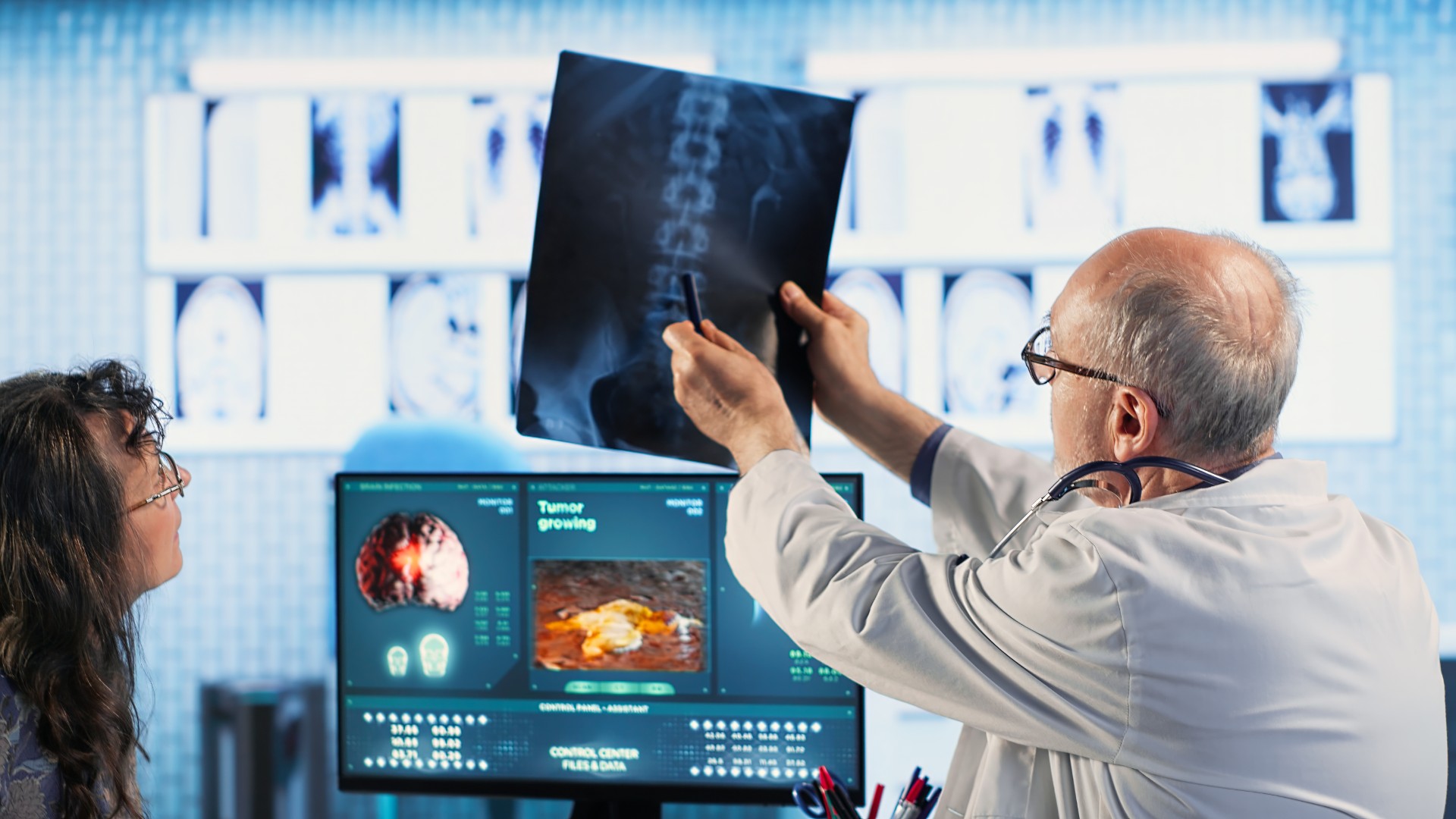
“Radiology is an indispensable part of modern medicine, playing an important role in the diagnosis and treatment of diseases. Today, detailed imaging of patients’ organs, vessels, and tissues is performed through medical imaging methods.”
What Is Radiology?
Radiology is defined as “radiation science” in the current Turkish Language Association dictionary. This field, called medical imaging, encompasses the imaging and reporting of patients’ organs, vessels, and tissues using modern diagnostic devices, and when necessary, performing diagnostic and therapeutic procedures under imaging guidance. These procedures are called “interventional radiology.”
Radiology Department
The radiology department is the unit that applies medical imaging methods used in the diagnosis and treatment of various diseases in patients. Radiology specialists perform the necessary imaging according to patient referrals and evaluate the obtained data.
What Does Radiology Do?
Radiology generally undertakes the following tasks:
» Medical Imaging:
Imaging of patients’ organs and tissues using various techniques and technologies.
» Imaging Reports:
Evaluation and reporting of obtained images with detailed findings and recommendations.
» Interventional Procedures:
Performing biopsies or therapeutic procedures when necessary under imaging guidance.
What Is Done in Radiology?
In the radiology department, imaging requested by clinicians for almost all diseases is performed. These requests generally include the following methods:
» Direct Radiography (X-ray):
Basic imaging technique using ionizing radiation for bones, chest, and other structures.
» Ultrasonography (US):
Sound wave-based imaging for soft tissues, organs, and blood vessels.
» Mammography:
Specialized breast imaging for screening and diagnosis.
» Computed Tomography (CT):
Cross-sectional imaging providing detailed views of internal structures.
» Digital Angiography (DSA):
Vascular imaging and interventional procedures.
» Bone Mineral Densitometry (BMD):
Measurement of bone density for osteoporosis assessment.
» Magnetic Resonance Imaging (MRI):
Detailed soft tissue imaging using magnetic fields.
The images from these examination methods are evaluated and reported by radiology specialists. Additionally, with effective communication, biopsies can be taken and therapeutic procedures can be performed with the guidance of these modern diagnostic devices in accordance with requests from clinics.
What Diseases Does Radiology Examine?
Radiology provides imaging for many diseases. These diseases include:
» Cancer:
Detection, staging, and follow-up of various malignancies.
» Infections:
Identification of infectious processes throughout the body.
» Trauma:
Assessment of injuries from accidents and other traumatic events.
» Bone Diseases:
Evaluation of fractures, arthritis, and other skeletal conditions.
» Vascular Diseases:
Imaging of arteries, veins, and vascular abnormalities.
» Internal Organ Diseases:
Assessment of liver, kidney, spleen, and other organ pathologies.
Radiology specialists work in these areas using imaging techniques used in the diagnosis of diseases.
What Examinations (Tests) Are Performed in Radiology?
Direct Radiographic Examinations
Head, neck, chest, spine, abdomen, arms, hands, legs, and feet can be imaged using X-ray technology.
Ultrasonography (US)
» Intracranial imaging in infants
» Scalp and skin areas in infants and adults
» Neck, thyroid, salivary glands
» Breasts
» Intra-abdominal organs
» Testicles
» Muscles and soft tissues
» Joints
» Vessels (Color Doppler ultrasonography)
Ultrasound-guided biopsy and wire localization of breast tissue can be performed.
Mammography
Screening and diagnostic procedures are performed in women over forty years of age, as well as wire localization procedures for possible masses.
Computed Tomography (CT)
All tissues and organs from head to toe, vascular structures, bones, heart, and coronary vessels are examined in detail.
Magnetic Resonance Imaging (MRI)
All soft tissues, intra-abdominal organs, heart, brain, spinal cord, and vessels are examined in great detail.
Digital Angiography (DSA)
Examination of all vessels in the human body and treatment of selected organs and vessels are performed.
Bone Mineral Densitometry (BMD)
The mineral density of bones is measured to assess for osteoporosis and fracture risk.
What Is a Radiology Report?
A radiology report is an official document prepared as a result of the evaluation of images obtained by the radiology specialist. This report contains information about imaging results, the patient’s condition, and recommended treatment methods. The radiology report is used by doctors in the patient’s treatment process.
What Does a Radiology Specialist Examine?
A radiology specialist examines patients’ medical imaging results and helps diagnose diseases through these images. Specialists evaluate patients’ conditions using various imaging techniques and create the necessary reports. They work closely with referring physicians to provide accurate diagnoses and guide treatment decisions.
What Is Medical Imaging?
Medical imaging encompasses all methods that enable imaging of patients’ organs and tissues. These methods include:
» X-ray:
Basic radiographic imaging using ionizing radiation.
» Ultrasonography:
Sound wave-based imaging without radiation.
» Computed Tomography (CT):
Advanced cross-sectional imaging with detailed anatomical information.
» Magnetic Resonance Imaging (MRI):
Detailed soft tissue imaging using magnetic fields and radio waves.
» Mammography:
Specialized breast imaging technique.
» Digital Angiography:
Vascular imaging for diagnosis and interventional procedures.
Medical imaging is vitally important in the early diagnosis of diseases and treatment planning. It enables physicians to visualize internal structures non-invasively and make informed clinical decisions.