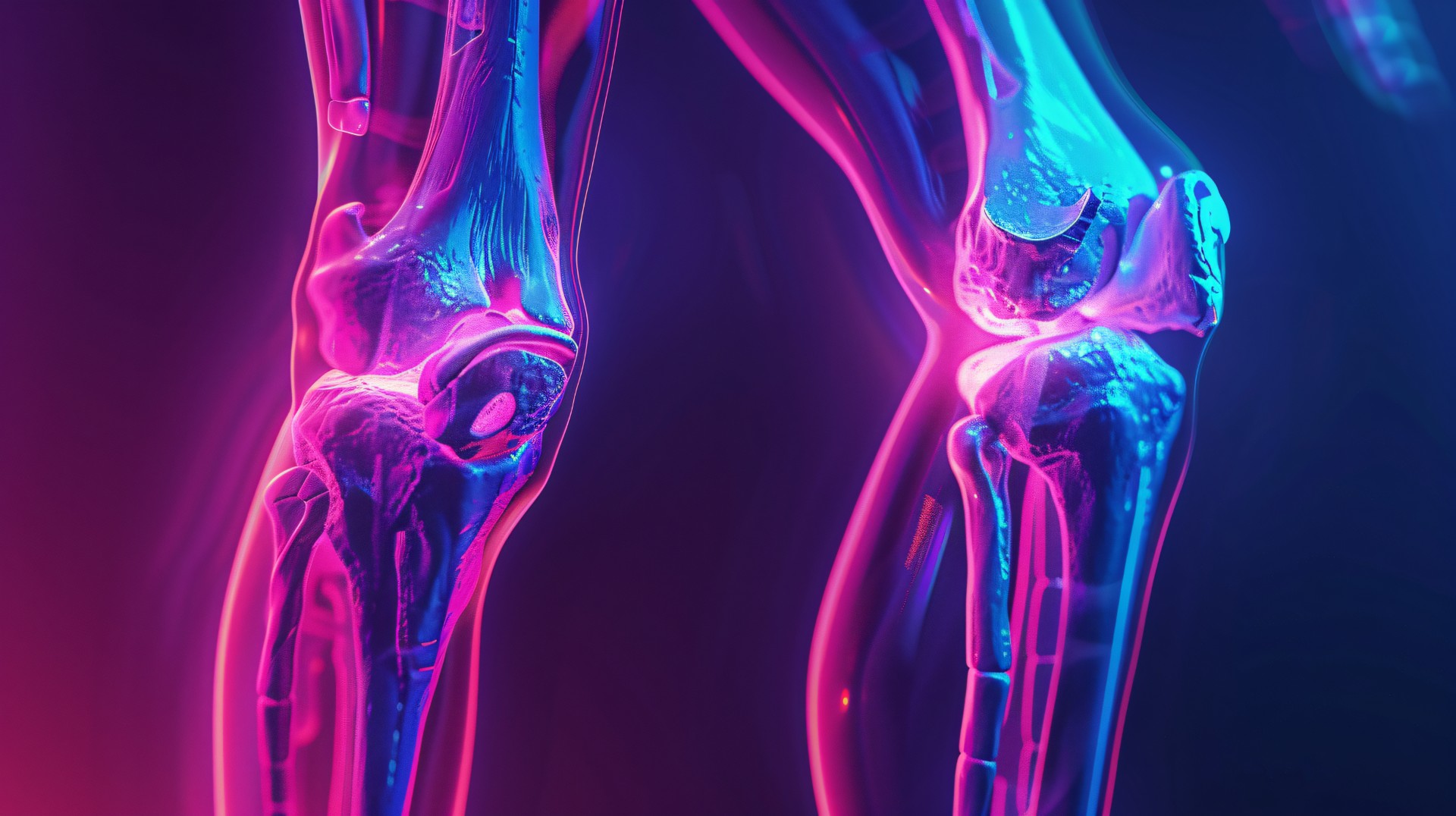
“Rheumatology is a branch of medicine that deals with the diagnosis, treatment, and management of rheumatic diseases affecting the musculoskeletal system and connective tissues.”
What Is Rheumatology?
Rheumatology is a branch of medicine that deals with the diagnosis, treatment, and management of rheumatic diseases. These diseases include conditions that affect the musculoskeletal system and connective tissues, usually causing inflammation, pain, swelling, and loss of function. Rheumatological diseases are usually caused by immune system dysfunction and can manifest in many different ways.
Scope of the Rheumatology Department
» Disease Evaluation:
Rheumatology specialists evaluate patients’ complaints, histories, and physical examination findings to make accurate diagnoses. Various laboratory tests and imaging methods are used in this process.
» Treatment Methods:
Rheumatologists apply various treatment methods according to the type and severity of the disease. Approaches such as drug therapy, physical therapy, lifestyle changes, and surgical intervention when necessary can be used.
» Chronic Management:
Since rheumatic diseases are usually chronic, rheumatology specialists perform long-term follow-ups of patients. These follow-ups are important for keeping the disease under control and improving patients’ quality of life.
TOBB ETU Hospital Rheumatology Department
The Rheumatology Department, which has been serving at TOBB ETU Hospital since 2015, deals with the diagnosis and treatment of rheumatic diseases. Rheumatic diseases are conditions that progress with pain, deformity, and loss of function in muscles, bones, and the tissues connecting them. This department focuses on inflammatory rheumatic diseases, especially arthritis diseases.
Common Rheumatology Diseases
The most common diseases seen in the rheumatology department are:
» Rheumatoid Arthritis:
Usually begins with symmetrical pain, swelling, and morning stiffness in the small joints of the hands and feet. It is a chronic autoimmune disease that can lead to joint damage if left untreated.
» Sjögren’s Syndrome:
Manifests with symptoms such as joint pain and swelling, dryness in the mouth and eyes. It is an autoimmune disorder that primarily affects moisture-producing glands.
» Systemic Lupus Erythematosus:
A systemic disease that causes abnormal findings in various organs in addition to joint symptoms. It can affect the skin, kidneys, heart, lungs, and nervous system.
» Ankylosing Spondylitis:
An inflammatory rheumatism that causes low back and back pain, and can lead to posture disorders over time. It primarily affects the spine and sacroiliac joints.
» Gout:
A recurrent disease characterized by pain, redness, and swelling in the big toe. It is caused by the accumulation of uric acid crystals in the joints.
» Polymyalgia Rheumatica:
A disease commonly seen after age 50 that causes muscle pain and stiffness. It typically affects the shoulders, neck, upper arms, hips, and thighs.
» Familial Mediterranean Fever:
A disease that progresses with recurrent abdominal pain and fever attacks. It is a hereditary autoinflammatory disorder.
» Behçet’s Disease:
Manifests with mouth sores and eye inflammation. It is a systemic vasculitis that can affect multiple organ systems.
What Does Rheumatology Treat?
In the rheumatology department, in addition to the rheumatic diseases mentioned above, conditions such as inflammatory muscle rheumatism, connective tissue diseases, and vascular inflammations are also evaluated. Patients undergo detailed evaluation according to their complaints and treatment plans are created.
» Inflammatory Muscle Diseases:
Polymyositis, dermatomyositis, and other inflammatory myopathies.
» Connective Tissue Diseases:
Scleroderma, mixed connective tissue disease, and undifferentiated connective tissue disease.
» Vasculitis:
Giant cell arteritis, Takayasu arteritis, polyarteritis nodosa, and other blood vessel inflammations.
» Osteoarthritis:
Degenerative joint disease causing pain and stiffness.
» Fibromyalgia:
Widespread musculoskeletal pain accompanied by fatigue and other symptoms.
» Osteoporosis:
Bone density loss and related conditions.
Diagnostic Methods in Rheumatology
The methods used in the diagnostic process in the rheumatology department are:
» Physical Examination:
The condition of the patient’s joints, pain points, and range of motion are evaluated. Joint swelling, warmth, tenderness, and deformities are assessed.
» Laboratory Tests:
Blood tests examine inflammatory markers (ESR, CRP), autoantibodies (RF, anti-CCP, ANA, anti-dsDNA), and general health status. Uric acid levels, complete blood count, and organ function tests are also performed.
» Radiological Examinations:
Joint condition and structural changes are evaluated with imaging methods such as X-ray, MRI, and ultrasound. These help detect joint erosions, cartilage loss, and soft tissue involvement.
» Joint Aspiration:
When necessary, fluid is withdrawn from affected joints for analysis to identify crystals, infection, or inflammatory cells.
Treatment Methods in Rheumatology
The treatment process in the rheumatology department varies according to the type and stage of the disease. Treatment methods include:
Drug Therapy
» Pain Relievers:
Analgesics and NSAIDs (nonsteroidal anti-inflammatory drugs) for pain and inflammation control.
» Corticosteroids:
Anti-inflammatory medications for acute flares and disease control.
» Disease-Modifying Antirheumatic Drugs (DMARDs):
Medications that slow disease progression and prevent joint damage, such as methotrexate, sulfasalazine, and hydroxychloroquine.
» Biologic Agents:
Targeted therapies including TNF inhibitors, IL-6 inhibitors, B-cell depleting agents, and other advanced treatments.
Physical Therapy
Physical therapy applications are recommended to increase joint mobility and improve muscle strength. Exercise programs tailored to the patient’s condition help maintain function and reduce stiffness.
Lifestyle Changes
Patients are informed about nutrition and exercise programs to improve their quality of life. Weight management, stress reduction, and smoking cessation are emphasized.
Surgical Intervention
When necessary, interventions such as joint surgery, including joint replacement and synovectomy, can also be performed.
Importance of Early Diagnosis and Follow-up
In the rheumatology department, evaluation and monitoring of patients in the early stages of their diseases is of great importance. Rapid and effective treatment methods are applied according to patients’ needs. Early intervention can prevent permanent joint damage and preserve quality of life.
Regular follow-up appointments allow rheumatologists to monitor disease activity, adjust medications as needed, and address any complications that may arise. Patient education about their condition and treatment is also an essential component of comprehensive rheumatological care.