What Should You Know About Thoracic Surgery and Its Role in Treating Chest Diseases?
Thoracic Surgery (also known as cardiothoracic or chest surgery) is a highly specialized medical field that focuses on surgical treatment of organs inside the chest, primarily the lungs, esophagus, chest wall, and mediastinum. It plays a critical role in diagnosing and treating life-threatening conditions and restoring breathing, swallowing, and chest integrity.
What Is Thoracic Surgery? Which Diseases Does It Treat?
Thoracic surgery encompasses the surgical management of thoracic cavity structures including:
- The lungs (e.g., cancers, infections, pneumatoceles)
- Esophagus (e.g., achalasia, cancer)
- Mediastinal structures (thymus, lymph nodes)
- Chest wall issues (e.g., tumors, trauma)
- Pleura and airways
The specialty treats malignant, benign, infectious, and traumatic conditions, often requiring complex resection and reconstruction.
What Conditions Are Managed in Thoracic Surgery?
Thoracic surgeons manage:
- Lung cancers (NSCLC, SCLC)
- Esophageal cancer, achalasia, reflux-related strictures
- Mediastinal masses, thymoma, lymphoma
- Pleural diseases (effusions, empyema, mesothelioma)
- Traumatic injuries (rib fractures, penetrating chest trauma)
- Benign lung lesions (bronchogenic cysts, hamartomas)
- Airway disorders (tracheal stenosis, bronchial tumors)
- Pneumothorax and bullous emphysema
- Chest wall tumors or chest wall reconstruction post-trauma or infection
What Are the Diagnostic Methods Used in Thoracic Surgery?
Accurate diagnosis involves:
- Chest imaging:
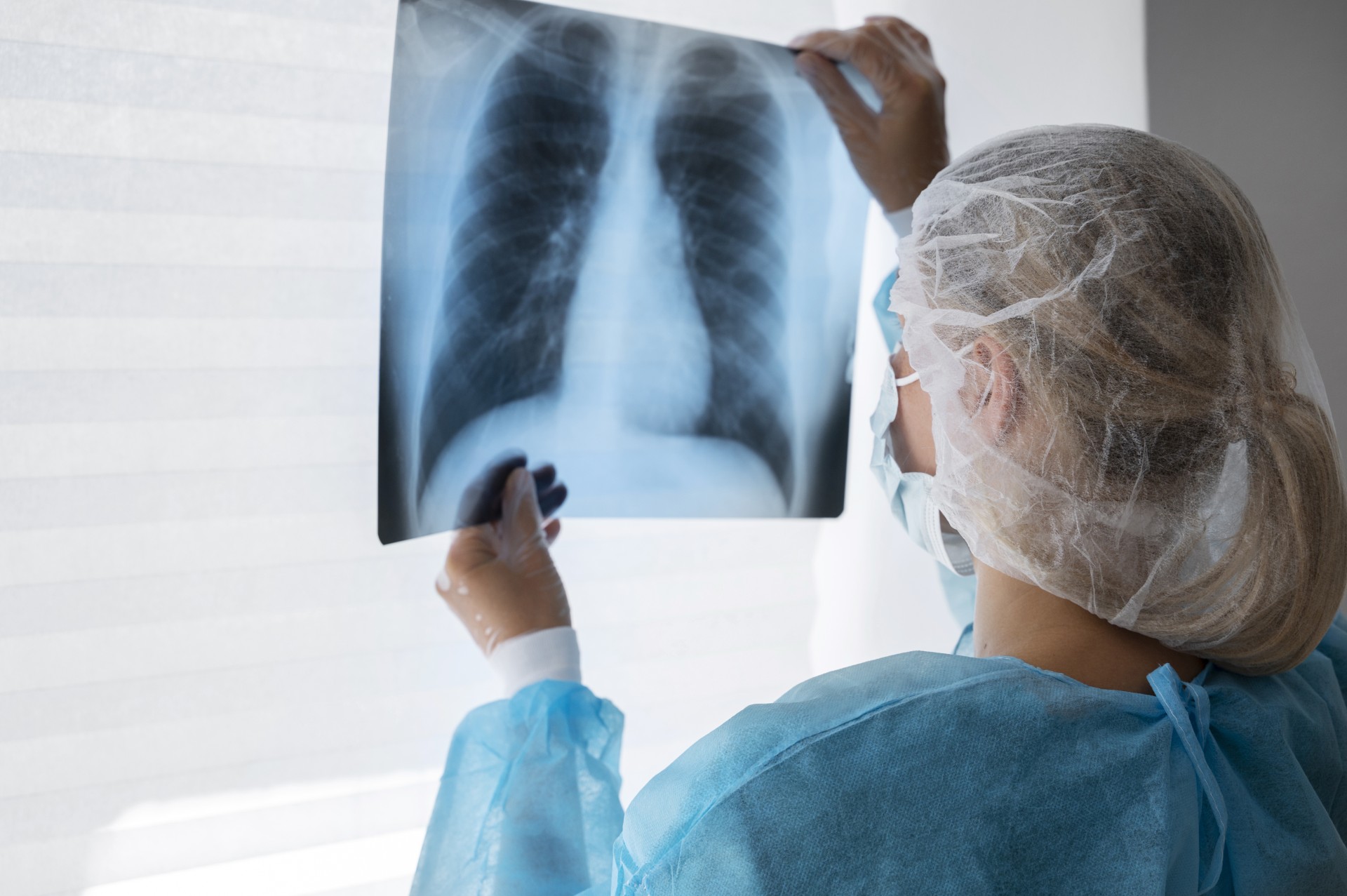
- X-ray – initial evaluation
- CT scan – detailed morphology
- PET‑CT – staging and metabolic activity
- MRI – soft tissue, spine, vascular involvement
- Bronchoscopy and endobronchial ultrasound (EBUS) – airway evaluation, sampling
- Endoscopic esophageal evaluation – including endoscopic ultrasound (EUS)
- Mediastinoscopy/VATS biopsy – sampling mediastinal nodes or masses
- Thoracentesis or pleural biopsy – for fluid analysis
- Pulmonary function testing (PFT) – for assessing surgical candidacy
- Cardiopulmonary exercise testing – for frail patients pre-op planning
What Are the Treatment Options in Thoracic Surgery?
Treatment modalities include:
Minimally Invasive Approaches
- VATS (Video-Assisted Thoracoscopic Surgery) – lobectomy, wedge resection, pleural decortication
- RATS (Robotic-Assisted Thoracic Surgery) – enhanced precision for complex resections
Open Thoracotomy / Esophagectomy / Sternotomy-based Surgery
- Lobectomy/pneumonectomy – for lung cancer
- Segmentectomy/wedge resection – for small or benign nodules
- Esophagectomy/Roux-en-Y reconstruction – for esophageal cancer
- Decortication/pleurectomy – for empyema or mesothelioma
- Chest wall reconstruction – post-trauma or tumor
- Tracheal or airway reconstruction
- Thymectomy – for thymic tumors or myasthenia grave
Adjunctive Medical Therapies
- Neoadjuvant/adjuvant chemo or radiotherapy
- Palliative procedures (pleurodesis, stenting, drainage)
Preoperative and Postoperative Process in Thoracic Surgery
Preoperative Stage
- Complete clinical and imaging evaluation
- Functional assessment (PFT, cardiac evaluation)
- Optimization of comorbid conditions (smoking cessation, pulmonary rehab)
- Patient counseling on expectation and risks
Postoperative Stage
- Pain control: epidural blocks, PCA, intercostal nerve blocks
- Early mobilization and chest physiotherapy – to prevent pneumonia
- Tube thoracostomy for fluid/air drainage
- Regular imaging and blood work
- Gradual diet and activity progression
- Follow-up in clinic for wound and function check
When Should You Visit the Thoracic Surgery Department?
Consult thoracic surgery if you have:
- Suspicious lung nodules or masses on imaging
- Persistent pleural effusion, pneumothorax, or hemothorax
- Recurrent or chronic pneumonia, empyema
- Esophageal symptoms like dysphagia with structural findings
- Mediastinal or chest wall masses
- Complex traumatic chest injuries
- Persistent cough with chest X-ray abnormalities
Prompt referral often allows early-stage cancer management and better outcomes.
What Are the Risks of Thoracic Surgery Procedures?
While thoracic surgery is life-saving, it carries risks including:
- Bleeding, hematoma
- Infection (wound, lung infection)
- Air leak, pneumothorax
- Bronchopleural fistula
- Respiratory failure or ARDS in fragile patients
- Prolonged chest wall pain or neuralgia
- Cardiac complications – arrhythmias, MI
- Mortality (~1–3% depending on risk) and organ-specific risks (voice changes post-esophagectomy)
Meticulous surgical technique, thorough pre‑op assessment, and attentive post‑op care mitigate these risks.
Frequently Asked Questions (FAQ) About Thoracic Surgery
Q: Can thoracic surgery be done minimally invasively?
Yes, many procedures use VATS or robotics—shorter hospitalization, less pain, fewer complications.
Q: How long will I stay in hospital?
Typically 4–7 days after minimally invasive lung surgery; longer for open procedures.
Q: How long is recovery?
Patients gradually resume daily activities over 4–6 weeks; full recovery including lung function may take 3–6 months.
Q: Will I need additional therapy after surgery?
Possibly—chemotherapy, radiation, or targeted drugs may be necessary depending on pathology.
Q: What happens if surgery isn’t an option?
Alternatives include radiotherapy, endoscopic stenting, pleural procedures, and systemic treatments based on the disease.
In Conclusion, thoracic surgery is a cornerstone of modern chest disease management, offering both minimally invasive and open surgical solutions for complex lung, esophageal, mediastinal, and chest wall conditions. With precise diagnostics, personalized treatment, and comprehensive perioperative care, patients benefit from improved survival, function, and quality of life.