


Our Team
A short introduction to your team members and why their background should inspire potential clients’ confidence.
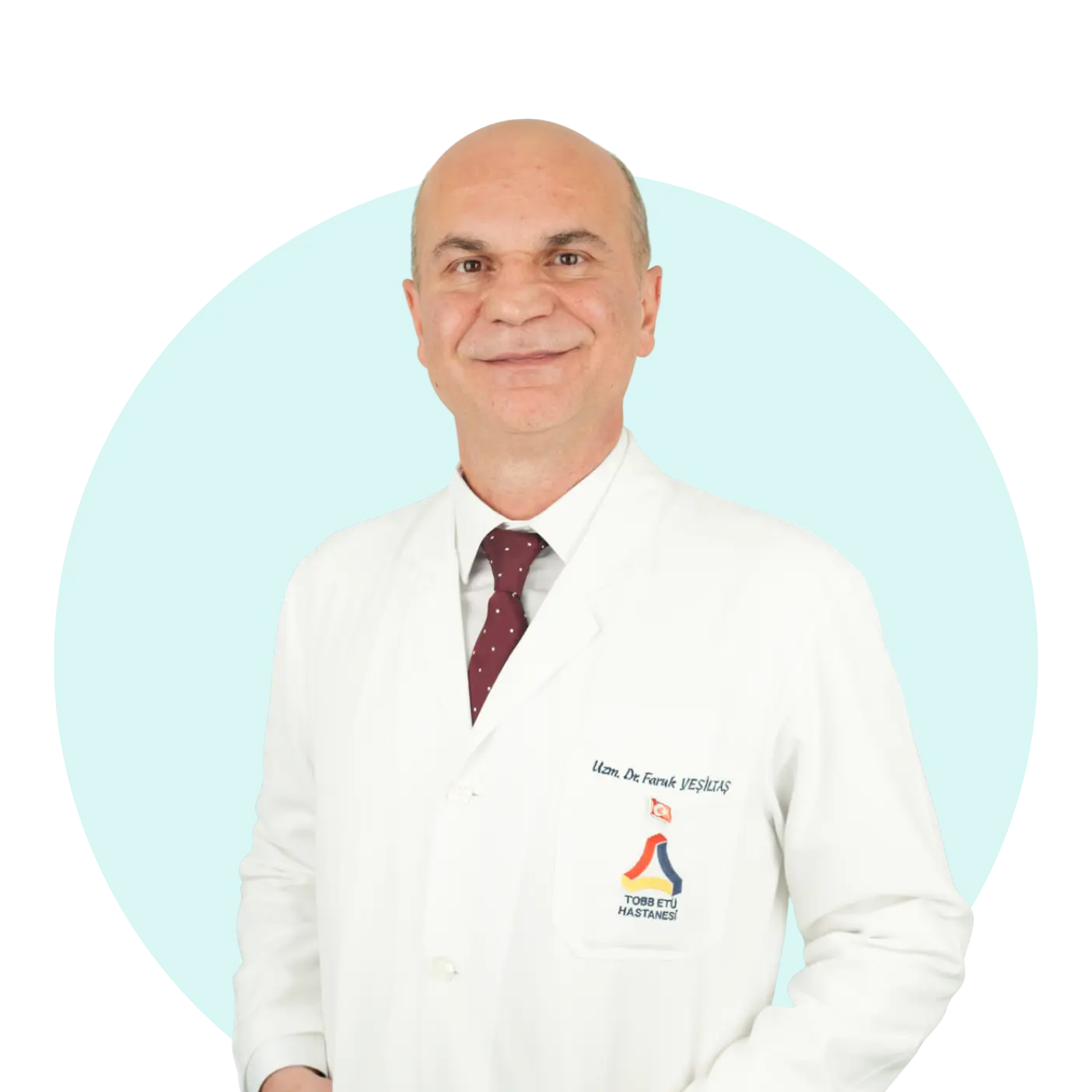
Uzm. Dr. Faruk Yeşiltaş
Traditional and Complementary Medicine Center
Traditional and Complementary Medicine Center
“Traditional and Complementary Medicine (T&CM) is a comprehensive body of knowledge, skills, and practices based on theories, beliefs, and experiences unique to different cultures, with centuries of history, used not only for the diagnosis and treatment of diseases but also for disease prevention and maintenance of good health.”
What Is Traditional and Complementary Medicine?
The practices within Traditional and Complementary Medicine encompass a comprehensive preventive medicine perspective that focuses essentially on protecting body, mind, and spiritual health, as well as various methods applied in different diseases. In this sense, they are supportive and complementary methods to modern medicine.
While traditional medicine treatment methods include many treatment approaches, at our hospital, the following are applied:
» Ozone Therapy
» Acupuncture
» Mesotherapy
» Cupping Therapy (Hijama)
» Hirudotherapy (Leech Therapy)
In addition to these, traditional medicine practices also include Apitherapy, Phytotherapy, Hypnosis, Homeopathy, Chiropractic, Larva Application, Prolotherapy, Osteopathy, Reflexology, and Music Therapy.
In our country, with the work of the Ministry of Health, the Regulation on Traditional and Complementary Medicine Practices was published in the Official Gazette on October 27, 2014, paving the way for these practices with centuries of history and accumulated knowledge, ensuring that these services are provided to our people by conscious professional healthcare personnel.
Ozone Therapy
Ozone, a sharp-smelling gas molecule found in the stratosphere layer in nature and formed by the combination of three oxygen atoms, was first discovered by German chemist Christian Friedrich Schönbein in 1840. Due to its oxidizing property affecting all microorganisms, it was first used for surface disinfection, then for water disinfection in Monaco.
Its first use in medicine began in 1900 with Nicola Tesla’s invention of the ozone generator, with treatments for anemia, cancer, wound healing, diabetes, influenza, and morphine poisoning. It is known that Dr. Albert Wolff particularly used it to treat gangrene in wounded German soldiers during World War I.
In Spain, with the participation of world ozone associations and federations, a declaration was published following meetings held for the first time in 2010 and then in 2020, and accordingly, the use of ozone in appropriate indications alongside modern treatments was determined by 38 different country ozone associations and international ozone federations from Europe, America, Asia, and Africa. Additionally, thousands of scientific studies and research have been conducted in this field to demonstrate its effectiveness.
Today, medical ozone is used in medical treatment. Medical ozone is obtained from an ozone generator as 95% oxygen + 5% ozone. With ozone therapy application, the reaction of ozone with blood releases various oxygen radicals, thus leading to the formation of many Reactive Oxygen Products such as Hydrogen Peroxide (H2O2), hydroxyl radical (OH¯), and superoxide (O2¯). Ozone gas given at therapeutic doses stimulates the immune system through Reactive Oxygen Products within physiological limits and leads to many events such as signal transmission. Thus, it accelerates erythrocyte metabolism, increases the blood’s oxygen-carrying capacity and oxygen release to tissues, red blood cells encountering ozone gain elasticity, and blood fluidity increases in tissues. It is beneficial in hypoxic and ischemic syndromes with tissue oxygenation. As a result, it improves blood flow and O2 release from hemoglobin to tissues.
Ozone activates or inhibits the immune system depending on the dose, thereby creating immune regulation, that is, an immune system regulatory effect. It increases NO release, causing vasodilation in vessels and regulating blood pressure. It activates the body’s defense system by increasing the production of interleukins, interferons, and growth factors in leukocytes and endothelial cells, and increases protection against all infectious diseases.
Ozone is a substance with strong antioxidant properties. By activating the antioxidant system, it provides protection against the oxidative system, that is, against the effects of toxins harmful to our body. It helps eliminate toxins we have taken into our body over the years and free radicals that cause chronic inflammation, thus providing protective effect against chronic diseases and cancer. In this regard, ozone also helps cleanse chemical substances in our body by increasing the skin’s detoxifying property.
Ozone therapy is not an alternative treatment but a complementary treatment. The application of ozone therapy complements modern treatments such as medical treatment and surgical procedures; it does not replace them as an alternative.
Acupuncture
Acupuncture is a word meaning needle insertion, derived from the Latin words ‘acus’ and ‘punctio’, and the application method is performed in line with this name.
It is the most important diagnosis and treatment method of traditional Chinese medicine, which aims to ensure balanced functioning of energy channels by inserting thin, sterile acupuncture needles into specific and effective points on the skin of 12 energy channels in our body and additional energy channels outside of these.
Mesotherapy
Mesotherapy is a treatment method in which various drug, plant extract, vitamin, and trace element mixtures are applied to the intradermal or subdermal area through numerous small-volume injections. This technique, first applied by Dr. Michel Pistor in 1952, has been used in medicine since the 1970s and continues to the present day.
Cupping Therapy (Hijama)
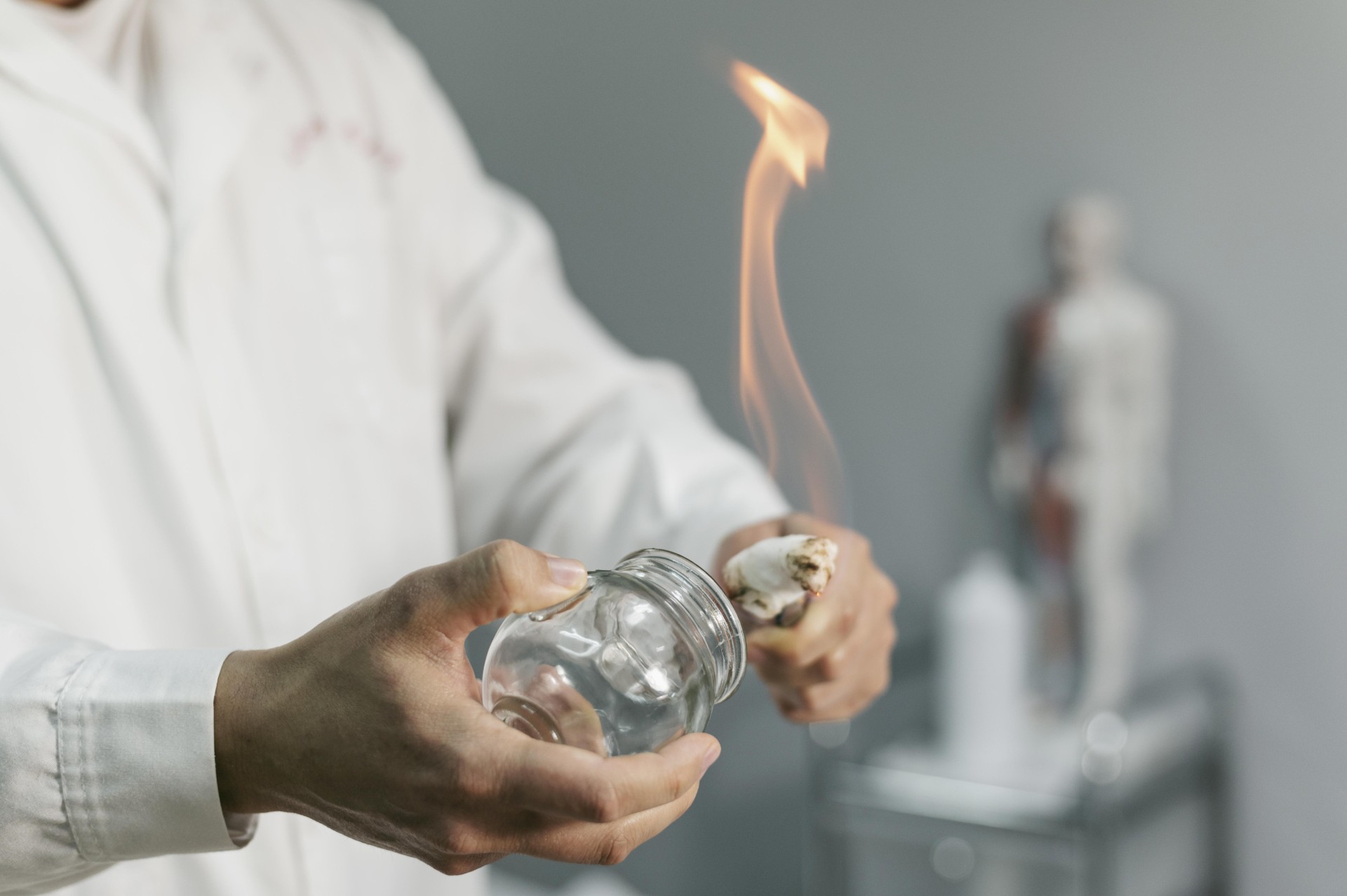
Cupping therapy can generally be described as dry cupping application performed by creating regional vacuum to increase blood circulation at the relevant point, and wet cupping or Hijama applications where dirty blood is removed from the body by creating superficial skin scratches with regional vacuum at certain special body points. Looking at human history, various sources indicate that cupping applications were performed in Egypt in 1550 BC, and it was a treatment method used by Hippocrates in 460 BC.
The most important mechanism of action of cupping therapy is increasing circulation in the target area. An increase in capillary permeability and pressure occurs, and with support to the lymphatic system, heavy metals and toxins that have accumulated in our body over the years in active circulation are eliminated.
Thus, effective detoxification takes place. While toxin and carbon dioxide elimination accelerates in the area, healing begins in the area because the new blood coming to the tissues contains more nutrients and oxygen.
Hirudotherapy (Leech Therapy)
Hirudotherapy is a traditional treatment method performed by placing Hirudo medicinalis type medical leeches on the appropriate skin area of patients with determined indications and allowing them to suck blood.
In 1884, Dr. John B. Haycraft isolated the anticoagulant substance found in leech saliva and named it “Hirudin.” Today, more than 100 enzymes beneficial to the human body have been identified in leech oral secretions. The American Food and Drug Administration (FDA) approved the use of leeches as a “medical device” in plastic and reconstructive surgery in 2004.
The purpose of hirudotherapy is to obtain the potential benefits of leech saliva secreted while the leech feeds.
What Are the Traditional and Complementary Medicine Treatment Methods?
Ozone Therapy Methods
Ozone therapy has various application methods. The methods applied at our hospital are:
» Major Ozone (Major Autohemotherapy – MAH):
A method of taking the person’s own blood into sets suitable for ozone, ozonating the blood, and then returning it to themselves. The blood volume to be used varies between 50 mL and 100 mL. The treatment protocol is planned as two applications per week.
» Minor Ozone (Minor Autohemotherapy – MiAH):
Taking approximately 5 ml of the person’s own blood into an appropriate syringe, mixing it with 5 ml of ozone in the syringe, and then administering it intramuscularly. MiAH is an immune-stimulating treatment comparable to “auto-vaccination.”
» Serum Ozone:
Ozonating 0.9% physiological serum through sets suitable for ozone and administering it intravenously. This is a widely used application in Russia and Eastern countries. 250-500cc physiological serum is used in the application. Application frequency is 10 sessions every 2 days.
» Bag Ozone:
A method used especially for non-healing diabetic wounds and wounds with nutritional disorders where we want to accelerate tissue healing, by placing the wound area in a bag made suitable for ozone and exposing it to ozone for a certain period, ensuring contact of the wound area with ozone gas.
» Rectal Ozone:
A method that creates systemic effect by administering ozone gas to the large intestine in the form of insufflation. This non-invasive technique can be used without risk in pediatric and elderly patients and patients with difficult vascular access for MAH.
» Subcutaneous Ozone Injection:
A method of directly injecting ozone at appropriate doses with thin needles under the skin to increase cell renewal and vitality in the skin area. Used for cosmetic purposes in acne and cellulite.
» Intramuscular, Paravertebral, and Intra-articular Injection:
Direct ozone injection into muscles, paravertebral areas, and joints.
» Local Nasal Insufflation:
An application performed without inhaling ozone, used in sinusitis and upper respiratory tract infections.
Acupuncture Methods
Acupuncture application, which is quite effective in pain treatment along with many health problems, is applied at our hospital as:
» Body Acupuncture (Traditional Chinese Medicine):
Applied with sterile, steel, acupuncture-specific needles.
» Ear Acupuncture (Auriculotherapy):
Applied with ASP needles specific to French Nogier ear acupuncture.
Mesotherapy Methods
After the application area is disinfected, it is performed as an injection into the middle layer of the skin with mesotherapy needles of 30G, 31G thickness and 4mm, 6mm, 13mm length.
» Intradermal Injection:
Administering 0.1 to 0.2 ml of medication to each point at a depth of 1 to 3 mm without forming papules, performed with the PPP method.
» Nappage:
An application where the doctor moves the wrist quickly after placing the needle in the skin, giving very little solution with each movement.
» Light Technique:
Gentle mesotherapy application method.
» Dermaroller-Dermapen:
Mechanical skin needling devices.
» Intensive Technique:
More concentrated mesotherapy application.
Cupping Therapy Methods
Cupping therapy must be performed by a doctor with application certification.
According to the doctor’s examination results, the areas where cupping therapy will be applied are determined. After these areas are sterilized, single-use cups are placed by applying negative pressure.
» Dry Cupping:
After these areas are sterilized, single-use cups are placed by applying negative pressure. It is waited for 3-5 minutes in this way.
» Wet Cupping (Hijama):
20-25 skin incisions of 0.5-1 mm depth and maximum 0.5cm to 1 cm length are made in the areas where dry cupping was applied. Blood is allowed to exit the body by waiting approximately 5 minutes.
It is recommended not to consume red meat, preferably animal protein, 1 day before wet cupping application, not to do sports activity 1 day before, and to drink 1 spoon of olive oil before coming to the hospital.
The cups are removed and the area is cleaned and disinfected (St. John’s Wort oil).
The application area is covered with sterile dressing.
Hirudotherapy Methods
Hirudo medicinalis type medical leeches are placed on the appropriate skin area of patients with determined indications, and after they are allowed to attach, following the painless first bite, they suck approximately 10-15 ml of blood in about 45 minutes. During this time, more than 100 enzymes beneficial to humans pass from the leech saliva to the patient. This enzyme transfer is what we expect benefit from in the treatment.
What Conditions Does Traditional and Complementary Medicine Treat?
Medical Conditions Where Ozone Therapy Is Used
» Level A Diseases (Good Scientific Evidence):
Spinal diseases (disc herniation, spondylolysis, discarthrosis, low back and neck pain, etc.), Osteoarthrosis, Plantar fasciitis, Ozone therapy in diabetic foot ulcer.
» Level B Diseases (Scientific evidence shows that the clinical benefits of ozone outweigh the potential risks):
Painful disorders of musculoskeletal soft tissue, Gonarthrosis, Tendinopathies (tennis elbow, jumper’s knee, painful shoulder), Osteomyelitis, infected wounds, chronic ulcers and burns, Acute and chronic infectious diseases, especially those caused by bacteria resistant to antibiotics or chemical treatments, viruses (hepatitis, HIV-AIDS, herpes and herpes zoster infection, papillomavirus infections), fungi (mycosis and candidiasis fungi).
» Ozonized Solutions and Ozonized Oils:
Used in topical and oral treatment of infectious diseases, with effectiveness proven in clinical trials for: Mycoses (Athlete’s foot, Onychomycosis, Tinea pedis), Viral diseases (Herpes zoster), Autoimmune diseases (pemphigus vulgaris, atopic dermatitis), Bedsores, chronic wounds, diabetic foot ulcer, infected burn wounds.
» Other Diseases Where Ozone Therapy Is Used Supported by Clinical Research:
Diabetes, Chronic fatigue syndrome and fibromyalgia, Sudden sensorineural hearing loss, Advanced ischemic diseases, lower extremity arterial ischemia, post-myocardial infarction rehabilitation and cerebral infarction, Age-related macular degeneration (atrophic form), Anti-aging and antioxidant, Rheumatoid arthritis.
» Level C Diseases (For these pathologies, when ozone therapy is used as support for a specific treatment on a case-by-case basis, it increases the therapeutic success rate):
Cancer-related fatigue, Chemotherapy/radiotherapy side effects, Asthma, Vestibulocochlear syndrome, Menière’s disease.
» Conditions Where Combination of Modern Treatments with Ozone Therapy May Be Beneficial:
Autoimmune diseases (Systemic sclerosis, multiple sclerosis, rheumatoid arthritis, Crohn’s disease, chronic inflammatory bowel disease, lupus erythematosus), Lung diseases (Emphysema, chronic obstructive pulmonary disease), Skin diseases (Psoriasis, eczema and atopic dermatitis, acne, alopecia), Sepsis, Respiratory tract diseases, Gastrointestinal diseases, Ophthalmology, Nervous system disorders, Pain conditions, Vascular diseases, Cancer metastasis, and others.
As of October 2024, there are 4786 articles supporting the use of ozone in medicine in the MedLine (PubMed) database, including 353 clinical studies, 253 randomized controlled trials, 96 systematic reviews, and 54 meta-analyses related to ozone therapy.
Medical Conditions Where Acupuncture Is Used
Acupuncture is applied at our hospital as a complementary and supportive treatment in the following conditions:
» Mechanical pain of the musculoskeletal system
» Joint pain
» Migraine, tension-type and non-organic headaches
» Neuropathic pain
» Muscle spasm, herniated disc, acute conservative period and chronic period low back pain
» Functional gastrointestinal system disorders, constipation, motility disorders
» Allergic rhinitis (including hay fever), eczema and itching due to skin dryness
» Sleep disorders not due to organic causes, depression and anxiety disorders
» Ensuring diet compliance in patients diagnosed with exogenous obesity
» Anxiety occurring during smoking cessation
As of October 2024, there are 41,072 articles in the MedLine (PubMed) database related to acupuncture treatment, including 6,856 clinical studies, 5,945 randomized controlled trials, 2,569 systematic reviews, and 1,580 meta-analyses.
Mesotherapy Application Areas
It is used in the treatment of many diseases, especially musculoskeletal system diseases such as osteoarthritis, tendinitis, and bursitis, and skin diseases such as xanthelasma, hyperpigmentation, and melasma. In recent years, mesotherapy applications have become widespread for lipolysis, facial rejuvenation, and alopecia treatment.
As of October 2024, there are 447 articles in the MedLine (PubMed) database related to mesotherapy, including 56 clinical studies, 40 randomized controlled trials, 12 systematic reviews, and 4 meta-analyses.
Cupping Therapy (Hijama) Application Areas
It is an effective method for many diseases including muscle and connective tissue problems, circulatory disorders, various lung diseases, chronic pain, and migraine.
» Strengthens the immune system
» Pain treatment, especially in Fibromyalgia Syndrome
» Chronic pain from rheumatic diseases, joint movement limitation, morning stiffness, fatigue
» Mechanical pain from the musculoskeletal system, knee pain such as osteoarthritis
» Non-organic sleep disorders
Cupping therapy is used as a complementary and supportive addition to existing treatments.
As of October 2024, there are 985 articles in the MedLine (PubMed) database related to cupping therapy, including 169 clinical studies, 152 randomized controlled trials, 55 systematic reviews, and 29 meta-analyses.
Hirudotherapy (Leech Therapy) Application Areas
Leech saliva contains many bioactive compounds. These compounds are responsible for inhibition of coagulation in humans, analgesic effect, muscle relaxant effect, and regulation of the immune system.
Hirudotherapy is applied as an addition to treatments in reducing pain in diseases such as degenerative joint diseases (osteoarthritis), lower extremity varicose vein diseases, and lateral epicondylitis, and in the treatment of venous insufficiency and nutritional disorders seen after flap surgery.
As of October 2024, there are 1,249 articles in the MedLine (PubMed) database related to hirudotherapy, including 85 clinical studies, 76 randomized controlled trials, 27 systematic reviews, and 10 meta-analyses.
Our Specialists



TOBB ETÜ Tıp Fakültesi Hastanesi
- Telefon
- +90 312 292 99 00
- Adres
- Beştepe Mah. Yaşam Cad. No:5
- 06560 Yenimahalle / Ankara
- info@tobbetuhastanesi.com.tr